Drug that regrows teeth will be tested in humans this September
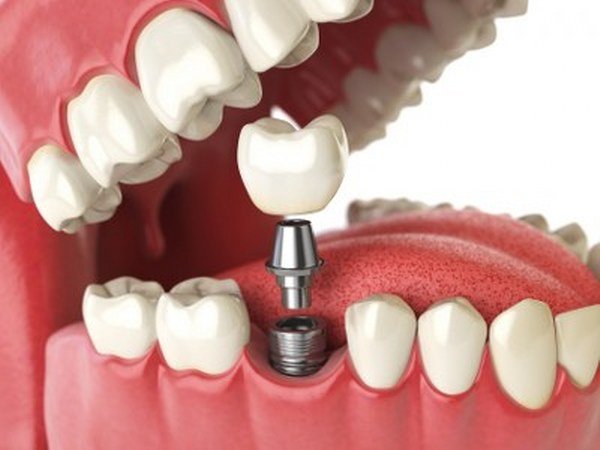
While bones can regrow themselves when they break, teeth are not as fortunate.
Getting only a set of adult teeth means that if you don’t take care of them, you’ll lose them.
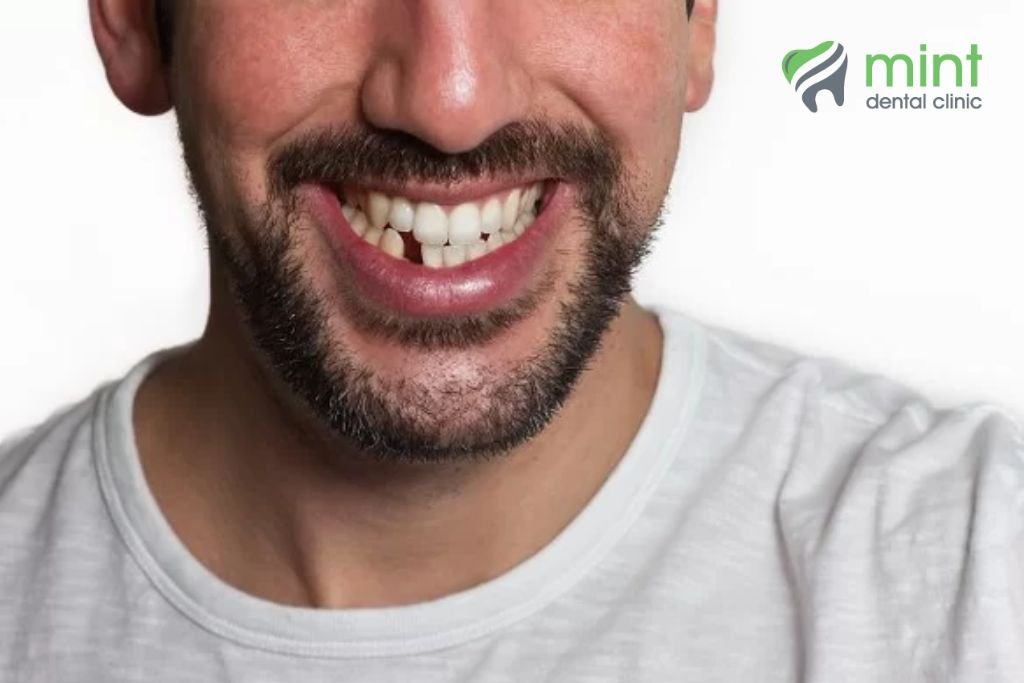
This is why millions of people worldwide suffer from some form of edentulism, with 75% of the UK’s population not having a complete set of teeth.
But the good news is on the horizon
Did you know that humans may be able to regrow new teeth in six years? Doesn’t that feel like something straight out of a science fiction novel?
However, this is real life, and if trials are successful, the treatment drug might be available in 2039, helping to treat all forms of tooth loss.
Researchers in Japan are set to begin human trials in September 2024, where a tooth-regenerating medicine will be administered intravenously.
“We want to do something to help those who are suffering from tooth loss or absence,” Katsu Takahashi, the head of dentistry at the medical research institute at Kitano Hospital in Osaka, told The Mainichi. “While there has been no treatment to date providing a permanent cure, we feel that people’s expectations for tooth growth are high.”

Excited about the future of tooth regrowth?
So are we — but until it’s available, we’re here with proven solutions to restore your smile today.
Call us on 020 7928 4474 to speak with our team at Mint Dental Clinic in Elephant & Castle, London, and explore the best options for replacing or restoring missing teeth.
Years of study
The development has focused on a particular antibody called Uterine sensitisation–associated gene-1 (USAG-1), which has been shown to regrow teeth in ferrets and mice.
In 2021, the team discovered a monoclonal antibody, a technique used to combat cancer.
The antibody disrupts the interaction between USAG-1 and molecules known as bone morphogenetic protein (BMP).
“We knew that suppressing USAG-1 benefits tooth growth. We did not know whether it would be enough,” Kyoto University’s Katsu Takahashi, a co-author of the study, said in a press statement at the time. “Ferrets are diphyodont animals with similar dental patterns to humans.”
The human trials
Exploring the similarities between human dental patterns and those of ferrets, human trials are scheduled to begin in September 2024.
They will last 11 months and focus on 30 males aged between 30 and 64, each of whom is missing at least one tooth.
The new drug will be administered intravenously to prove its effectiveness and safety, with no side effects reported in previous animal studies.
If all goes well, Kitano Hospital plans to administer the treatment to patients aged between 2 and 7 who have congenitally missing teeth and are missing at least four teeth.
The ultimate goal is to have teeth-regenerating medicine available by 2030.
While these treatments are currently focused on patients with congenital tooth deficiency, researchers hope that the treatment will become available to anyone who has ever lost a tooth.
What about right now?
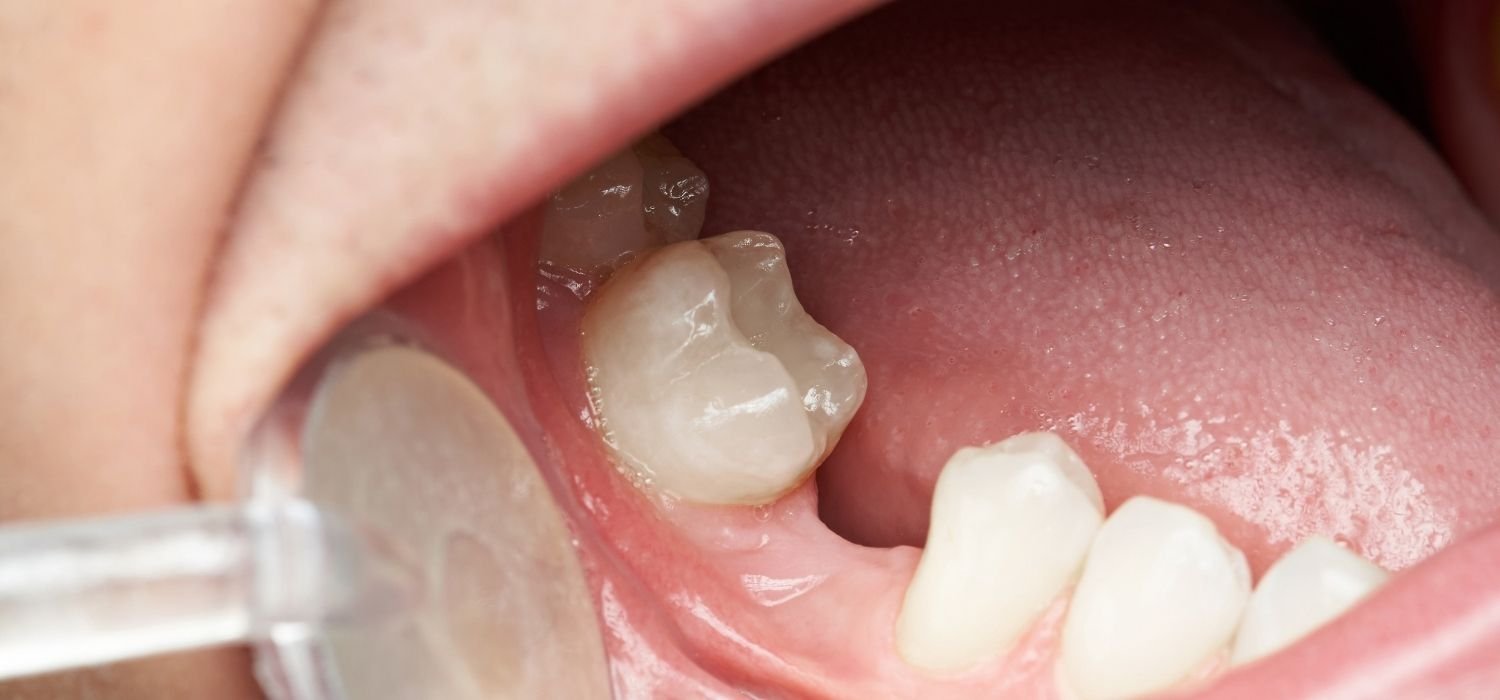
However, in the meantime, to maintain your oral health, you may want to consider exploring alternative tooth replacement solutions.
While the science develops, we offer proven solutions to restore your smile today.
If you’re missing teeth, book your complimentary implant consultation online (a £25 deposit secures your spot and is refunded on the day), or call us on 020 7928 4474.
Our team at Mint Dental Clinic in Elephant & Castle, London is here to help you explore your options with no pressure.
Affordable dental finance on all treatments over £995.00