Is It Possible to Place Dental Implants Immediately After Extraction?
- Have you just had a tooth extraction? Or do you have one coming up and are worried about having a gap?
- Are you wondering how soon you can have dental implants? Do you want your tooth replaced as soon as possible?
We know the pains of a missing tooth, and that it’s not just for aesthetic purposes that you need it replaced.
Oddly, your speech and functional abilities to bite, eat, and chew can be affected.
So, how long do you have to wait to get dental implants? The answer, in short, depends.

Sometimes, it’s possible
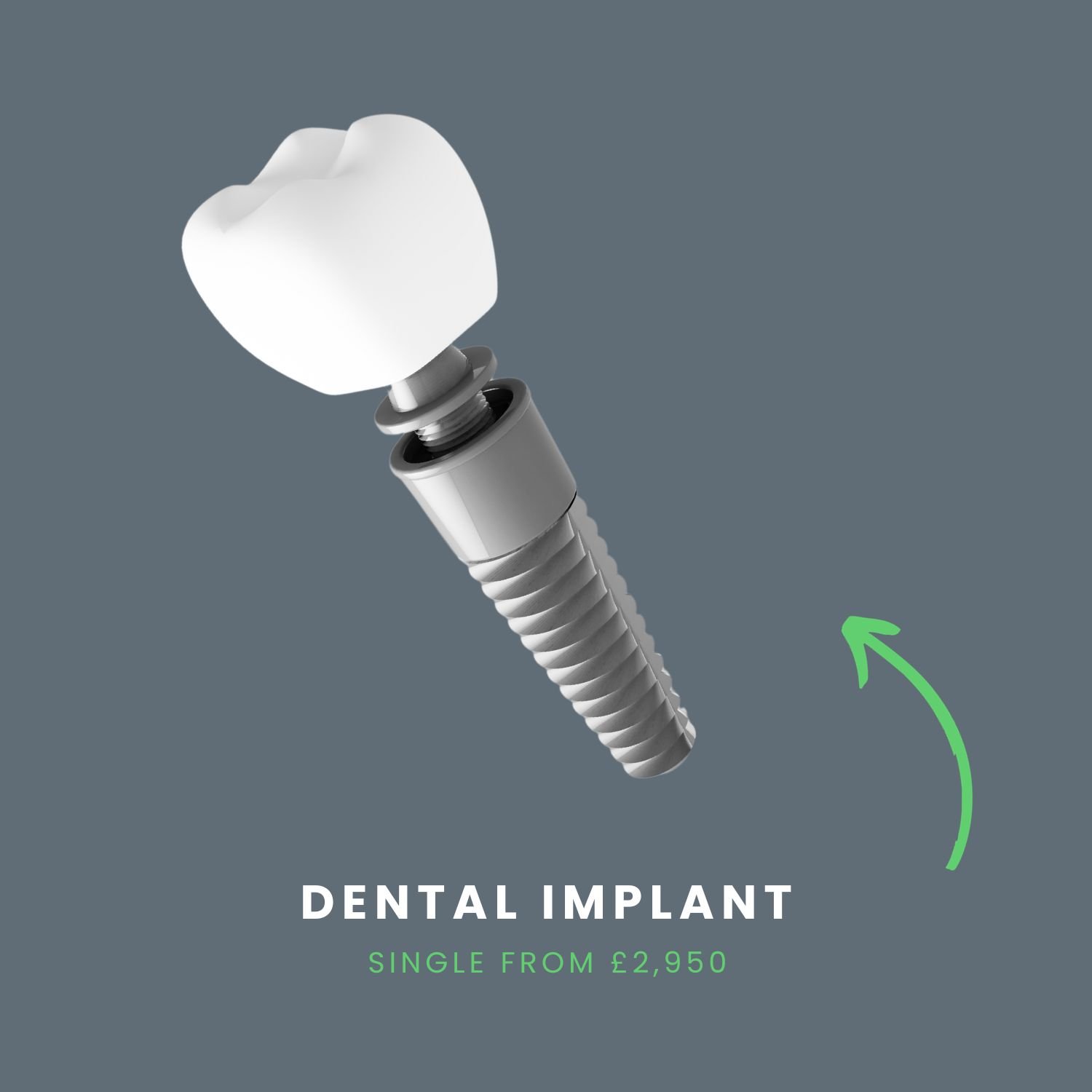
In some instances, an extraction and implant can be performed together, where a dental implant can be placed at the time of extraction, a procedure referred to in the industry as immediate implant placement.
However, this is only possible in certain situations, and it depends on the condition of the tooth.
While it’s entirely possible, it’s not always recommended. For example, there’s a reason your tooth is being extracted, likely an infection or decay that can weaken the jawbone.
At this stage, it’s not viable to place an implant because the bone in the jaw cannot support it.
Having an implant immediately placed will depend on the following:
- Your oral health status
- The position of the tooth
- The presence or existence of infection
- The extent of decay
- If you suffer from gum disease
- Jaw and gum tissue must be healthy for immediate placement
Free consultation
Book a consultation for free at our London clinic in Elephant & Castle to learn whether we can place an implant at the same time as the extraction for you. Or call 020 7928 4474.
In most cases, it’s better to wait for your mouth to heal
Tooth extractions are often performed chairside in under an hour, so they can often feel like simple procedures. However, they are major oral surgeries, and this, paired with dental implant surgery, might be too overwhelming.
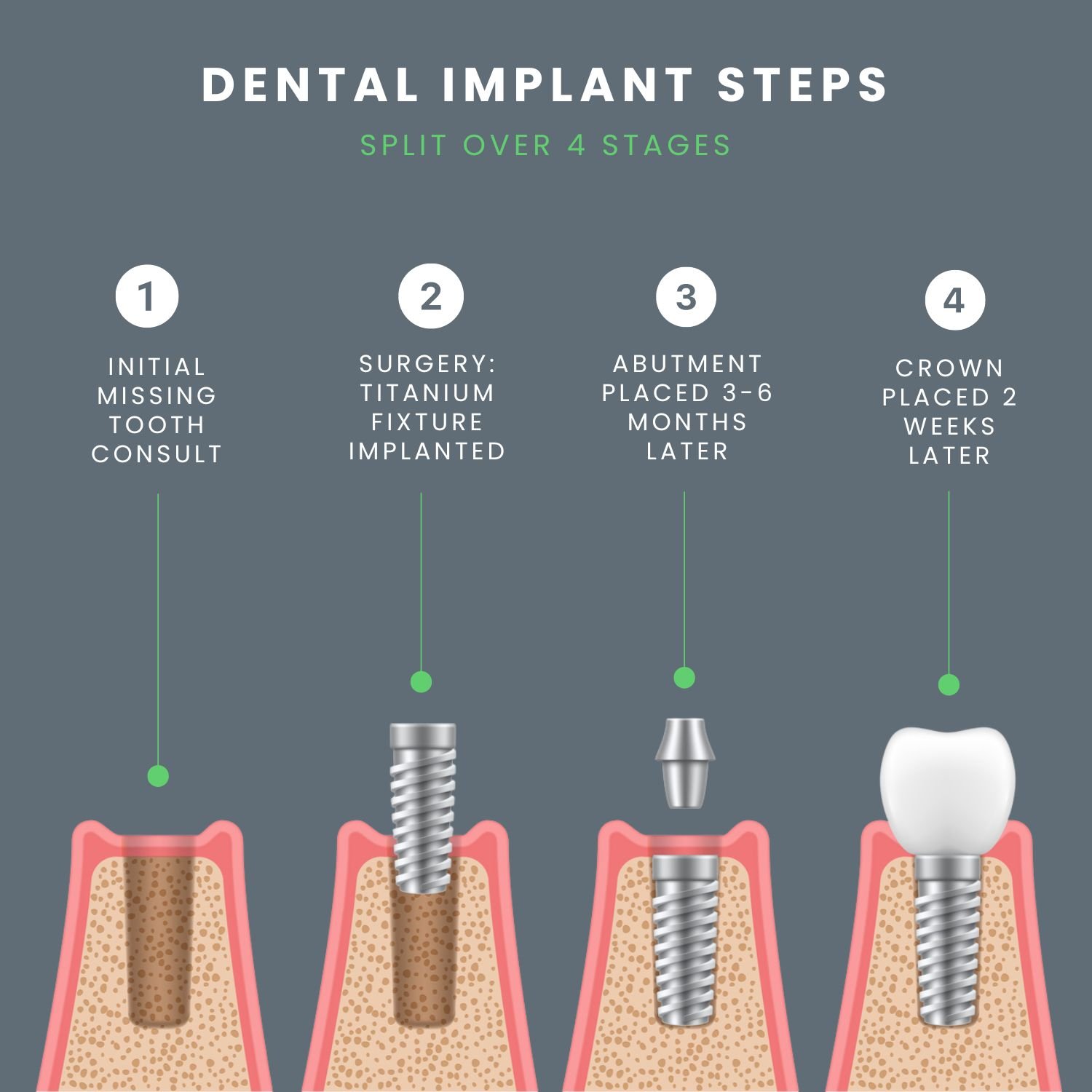
Typically, you’ll have to wait at least 10 weeks after the tooth extraction for an implant to be placed—and that’s if we do not need to perform a bone graft in between.
That said, you’ll find that dental implants, the superior tooth replacement option, are worth the wait.
Getting a dental implant years after an extraction
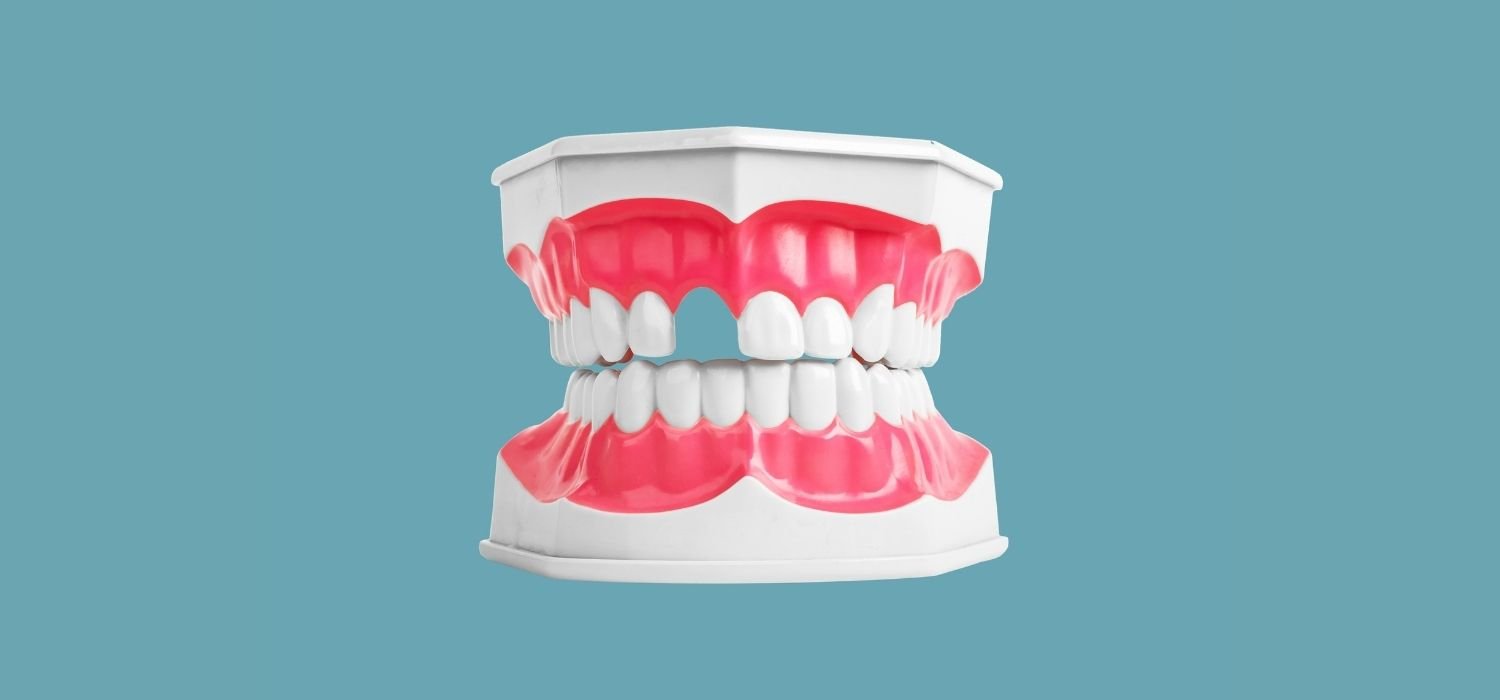
If you go six months or more with a missing tooth, you put your oral health at risk, where the bone in the jaw will begin to deplete as there’s no longer a tooth root to support it.
Simply put, the longer you have gaps in your mouth, the more likely you’ll have insufficient bone in the jaw to support implant placement.
Without bone in the jaw where the implant anchors, it will likely fail, which is why some patients must undergo prior bone graft procedures to restore depleted bone in the area where the implant is to be placed.
So, getting a dental implant sooner rather than later is better, which means you can avoid pre-prosthetic procedures and additional treatment costs.
You can still be a candidate for dental implants years later. However, the road to receiving them might take a little longer.
Alternatively, you can opt for dental implant types that do not require a large amount of bone for support.
You won’t know for sure until you undergo a clinical assessment
The only way to assert that you’re a viable candidate for immediate implant placement following an extraction is to consult a dentist, who will use a CBCT scanner to assess the quality and quantity of bone.
During this appointment, you’ll also have the chance to explore the types of implants and what is and what isn’t possible, as well as an overview of costs and finance breakdowns.
Book a dental implant consultation in London.
Affordable dental finance on all treatments over £995.00