Artificial Intelligence Applications in Implant Dentistry
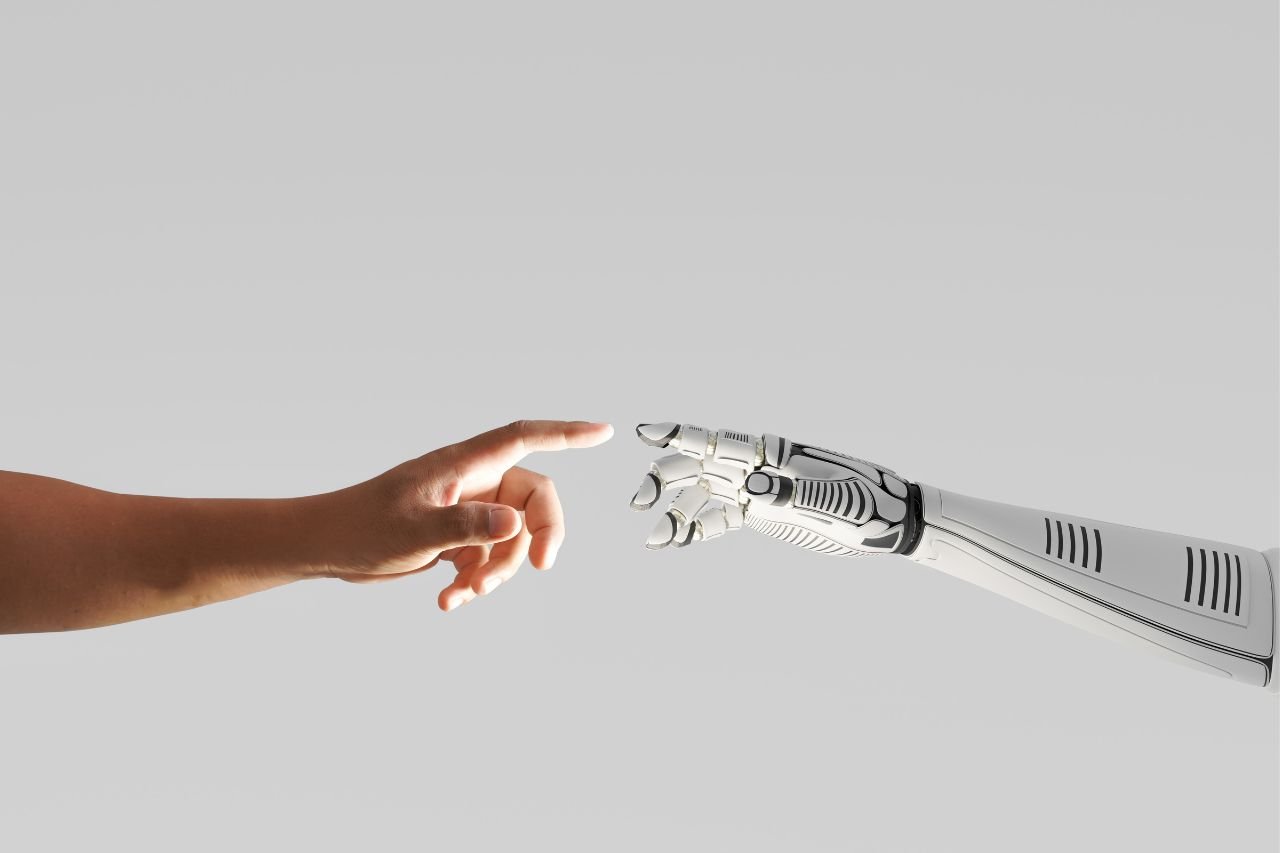
With artificial intelligence slowly taking over, implant dentistry is one area in which we did not foresee the emergence of AI-integrated technology conquering so soon.
Robotic technology and artificial intelligence promise to usher in a new era of efficiency and precision within implantology, but will they cause more challenges than they will solve? Will it reduce human error and improve implant placement as it so promises?
With the future of implant dentistry relying on robotics and AI technology, the new dental role will be to uphold the high standards of patient care and ethical practice. Read the full assessment here.
How it will work
AI algorithms are being planned to analyse extensive patient data to help dentists assist in diagnoses, treatment planning, implant design, and overall process improvement. Whilst we’re still in the research phase, AI will eventually be integrated with digital workflows like CAD/CAM systems and enhance the currently available technology.
Tests on this new system have demonstrated an improved implant survival rate and patient satisfaction. However, as dentists, we cannot help but question the ethical considerations and maintaining the perfect balance between human expertise and its reliance on this kind of technology.
Advancements in the field so far
The field of implant dentistry is already advancing, with tremendous changes being made over the last couple of years due to the integration of robotic technology and AI.
Robots equipped with algorithms and advanced sensors can now perform highly intricate tasks with unmatched accuracy, ensuring the most optimal placement of dental implants with the least margin of error.
By eliminating human error, this type of technology not only has the potential to improve treatment outcomes but also helps pave the way for a more streamlined, cost-effective, and predictable process.
AI algorithms can identify patterns, predict potential complications, and recommend the most appropriate implant designs… Potential long-term benefits, such as reduced surgical times, and enhanced patient outcomes might offer economic advantages. – Saeed A, Alkhurays M, AlMutlaqah M, et al. (August 09, 2023) Future of Using Robotic and Artificial Intelligence in Implant Dentistry. Cureus 15(8): e43209. doi:10.7759/cureus.43209.
It’s about to get a lot more personal
As AI is a machine learning algorithm that will analyse vast amounts of data (far more than your dentist can), it will assist dentists in making better evidence-based decisions tailored to a patient’s needs.
The AI system will even assist in diagnostic procedures and the planning and design of dental implants, providing real-time feedback during surgery and helping clinicians make informed decisions then and there.
But there’s a fine line!
The role of human expertise, experience and judgement needs to be in conjunction with robotic and AI technologies to overcome any ethical challenges. Moving forward, dentists must strike a crucial balance between technological advancements and maintaining their professional responsibility and autonomy to uphold patient privacy and data security and prevent potential biases within the AI algorithms.
Where we are now
Research and testing is ongoing. Right now, the integration of AI in implant dentistry presents great potential, but at the same time, it’s calling for dentists to address challenges and ethical considerations. For now, it’s to be explored, discussed and used to propel the field forward appropriately. The future of implant dentistry should not be feared but seen as an exciting frontier where technology can work in conjunction with human expertise.
Discover:
Affordable dental finance on all treatments over £995.00