
Explaining Composite Bonding: What it is and How it Works
First things first, composite bonding is a cosmetic procedure. Its main purpose is to restore teeth and to enhance their appearance cosmetically.
Here’s what composite bonding is used to treat:
- Uneven teeth (some longer than others)
- Cracked, chipped, discoloured teeth
- Teeth that are too short (small teeth)
- The shape and size of the teeth (pointed teeth)
- Gaps between teeth
- If your teeth are too long, explore tooth contouring instead.
Rather than involving more advanced cosmetic procedures and prosthetics like veneers and crowns, composite bonding offers patients a minimally invasive alternative to making small tweaks and enhancements to their smiles without breaking the bank.
Explore costs and longevity.

Defining compositing bonding
Key information:
- Minimally invasive
- 1-hour procedure
- Affordable
- Reversible
- Non-permanent
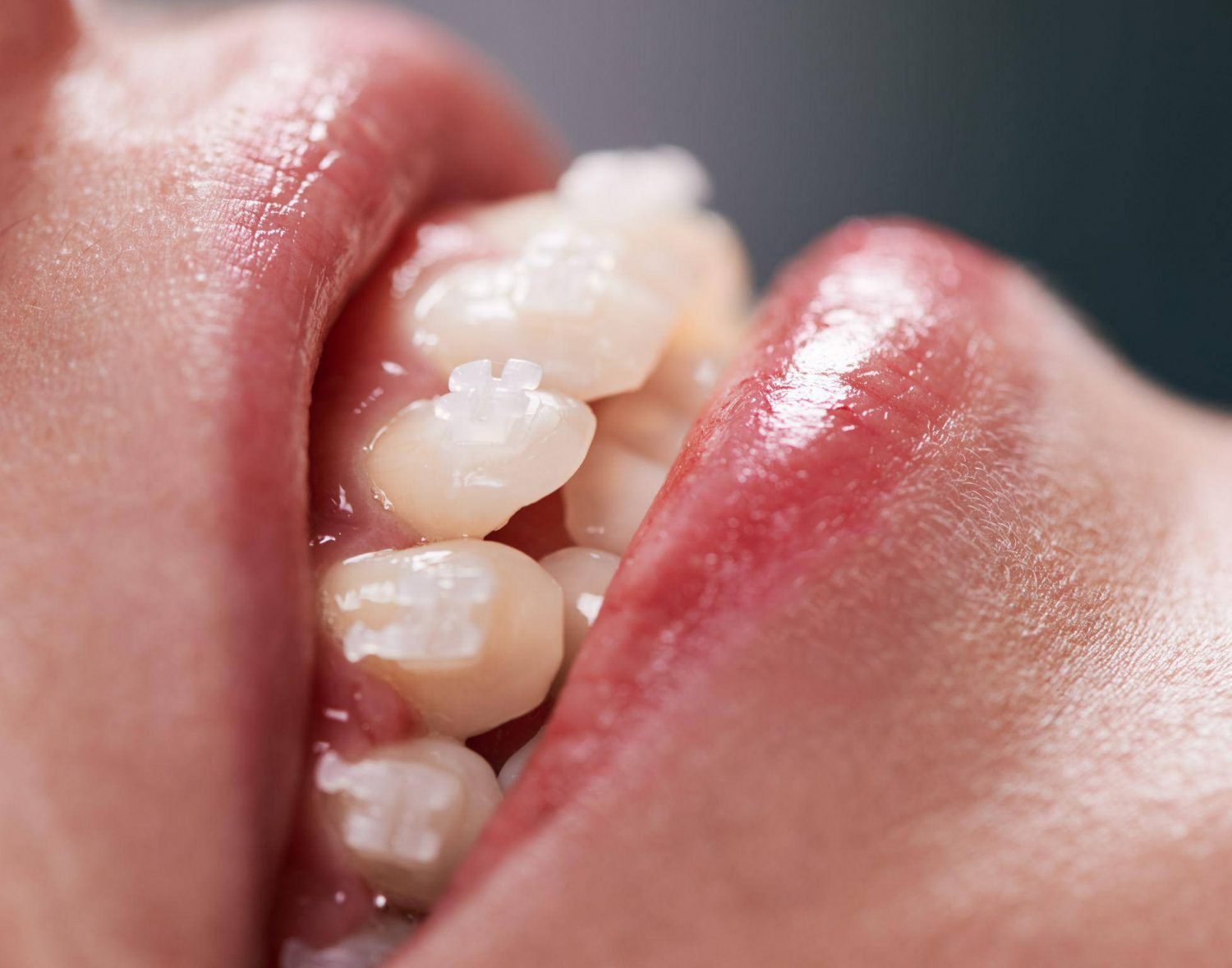
Referred to in dentistry as dental bonding, composite bonding is a minimally invasive procedure similar to composite veneers. However, composite bonding focuses on small sections instead of covering the entire tooth.
The procedure involves using a tooth-coloured composite resin. The material is applied in layers to the problem tooth to improve its size and shape. Then, the material is hardened using a special curing light to set it in place.
The material – what’s in the composite?
Here’s where we get technical. Composite bonding’s resin material is made up of finely ground glass particles (quartz) and resin—and this combination makes the material strong and durable. Plus, it allows the bonding to mimic natural teeth perfectly, as it can reflect light similarly.
- The resin provides the necessary flexibility to mould the tooth’s shape.
- The glass and quartz particles increase durability and strength, ensuring it can withstand chewing and biting forces.
- The bonding agent, or “adhesive”, uses a light-cured composite resin to allow the material to adhere to the tooth chemically.
How does composite bonding work? The science…
Composite bonding relies on successful adhesion, which is why the underlying tooth’s surface needs to be roughened to ensure micro-mechanical retention before the material is applied. In English, this means that the resin seals on a microscopic level, grabbing onto the roughened tooth’s enamel.
The bond between the tooth and the material is strong enough to withstand chewing forces because of the chemical bond between the resin and the underlying tooth (hydrophobic interaction). However, this bond won’t last forever and is not permanent; it lasts 5-7 years.
The psychological impact of bonding
There’s more to composite bonding than its cosmetic and functional benefits. For our patients, it’s been a life-changing procedure that’s helped their confidence soar as they’ve achieved a smile they feel more comfortable with.
Less commitment-heavy option
It’s allowed patients to improve their smile without making irreversible, permanent and often expensive changes. Especially with composite bonding, we’re not waiting for prosthetics to be made; they’re available the same day.
What the future holds for composite bonding
In the future, we can expect advancements in composite bonding materials that are more durable, stain-resistant, and closer to the composition of the tooth’s natural enamel. Research is ongoing into bioactive composites that last longer, resist bacterial growth, and remineralise the tooth structure.