Composite vs porcelain veneers: what’s the difference?
If you’re comparing composite vs porcelain veneers, the key differences come down to cost, durability, longevity, appearance, and the amount of tooth preparation required. Composite veneers are cheaper, applied in one visit, and reversible; porcelain veneers are stronger, more natural-looking, and last 2 to 3 times longer.
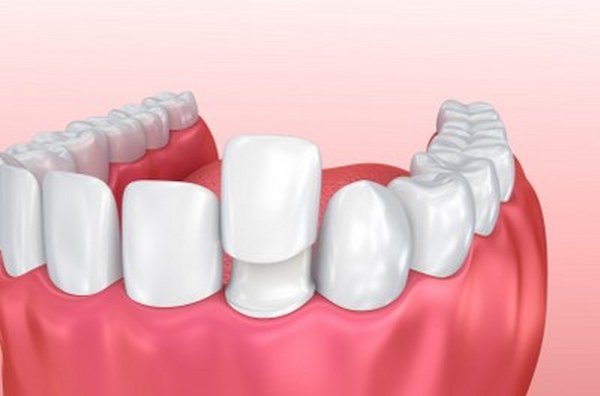
The main difference between composite and porcelain veneers is the material.
- Composite veneers use resin sculpted directly onto the tooth.
- Porcelain veneers are thin ceramic shells made in a dental lab.
This affects longevity, strength, staining, cost and how natural the final result looks. Porcelain veneers reflect light like real enamel, making them the superior cosmetic option, whereas composite veneers offer a budget-friendly, same-day alternative.
Further understanding the disparities between these two veneer types will be crucial for determining which smile makeover treatment will best enhance your smile. So, we’ll help you weigh up the differences by comparing the two below so you can make an informed decision.
Composite vs Porcelain Veneers at a Glance
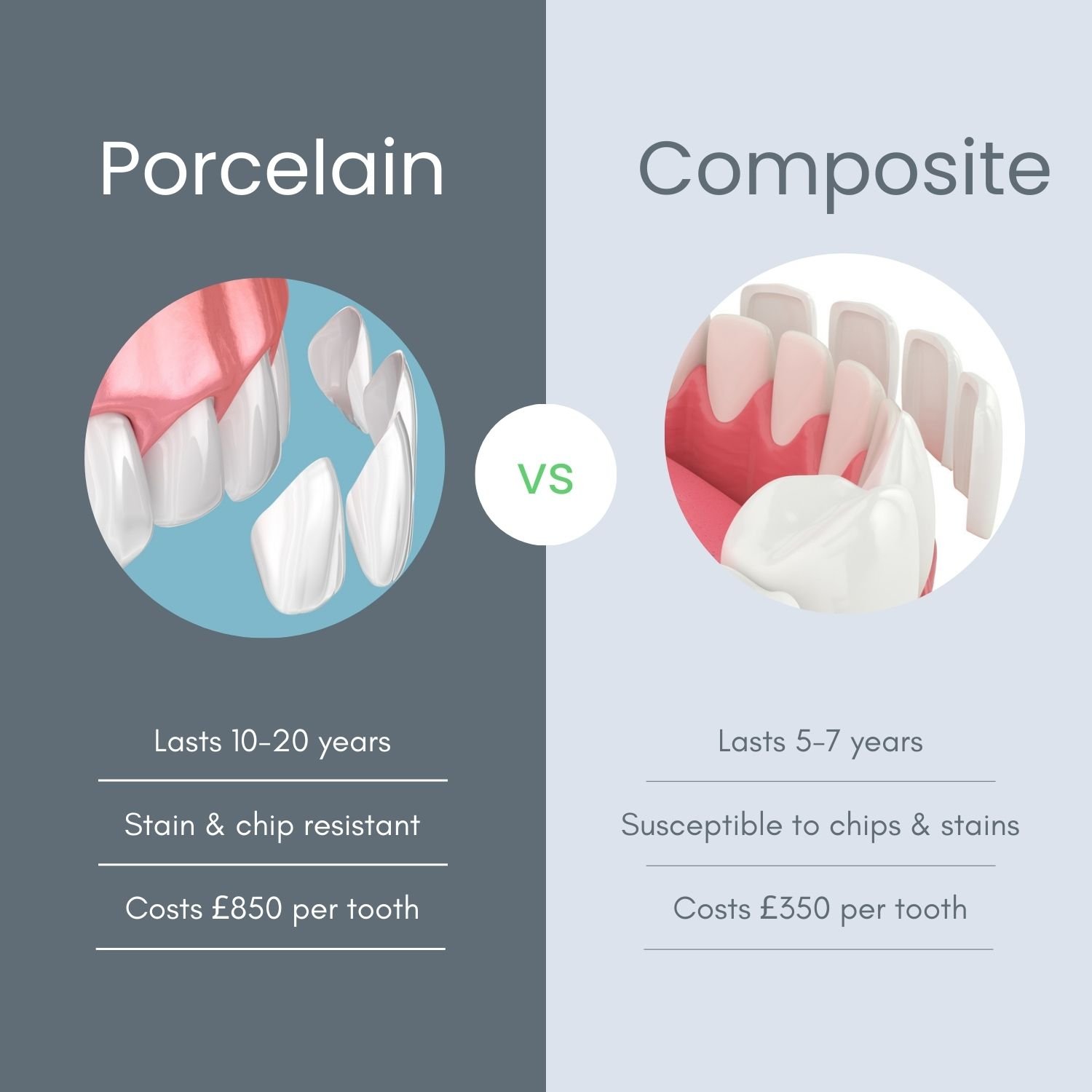
There’s a big difference in cost
In general, porcelain veneers have a much higher price tag than composite veneers, for reasons you’ll discover more of below. As porcelain veneers are made from a superior material, are much more durable and have a much more delicate fabrication process, they often cost 70-90% more.
Even though porcelain veneers require a higher initial investment, they’re worth it in terms of their longevity, making them a more cost-effective option in the long run. Composite veneers are more affordable upfront but require more touch-ups, repairs or replacements, which will add up over time.
Finance examples

The application process can sometimes vary
Porcelain veneers usually require a multi-step process, typically spread over three appointments that involve a consultation, tooth preparation, impression-taking, fabrication of veneers in a dental lab, and finally, the bonding of the veneers to the teeth. Some types of porcelain veneers require some level of tooth preparation, although in most cases, this is minimal. That said, no-prep porcelain veneers do exist. Discover them here.
On the other hand, composite veneers are applied in a single visit, taking just a few hours as the resin is directly sculpted to the teeth, shaped and hardened using a special curing light. Composite veneers are also considered no-prep veneers, requiring no tooth enamel removal.
Which lasts longer: composite or porcelain veneers?
- Porcelain veneers last 10–15 years, sometimes up to 20 years with good care.
- Composite veneers last 5–7 years, as resin wears and stains more easily.

Do they look different? Can you notice and distinguish between the two?
Regarding aesthetics, porcelain veneers offer exceptional results due to the material’s natural translucency and ability to reflect light like regular teeth. A very close replica of natural teeth provides lifelike results, which can be further customised to match adjacent teeth’s colour, shape and size. Composite veneers, on the other hand, also deliver great results and aesthetic outcomes; however, they do not achieve the same level of realism.
Durability and longevity
Renowned for their durability, porcelain veneers are a long-lasting solution that can last up to 30 years with the right care and maintenance. Unfortunately, composite veneers do not last as long and are more prone to chipping, staining and wear over time. Generally, composite veneers have a shorter lifespan and need to be touched up or replaced every 5-7 years.
In terms of care, composite veneers require more diligent attention and maintenance to prevent discolouration or yellowing. In contrast, porcelain veneers are non-porous and less susceptible to stains from foods and beverages. You can care for both veneers the same way you would your natural teeth.
Composite vs Porcelain Veneers: Which Should You Choose?
- Choose composite veneers if you want an affordable, reversible, same-day cosmetic improvement.
- Choose porcelain veneers if you want the most natural look, the longest lifespan and the highest level of smile design.
The best way to decide is with a consultation where your dentist assesses your enamel, bite, goals and budget.
Affordable dental finance on all treatments over £995.00