
The Facts of All-on-4 You Need To Know Before You Progress
All on 4 Costs | Procedure | Treatment | Alternatives
If you’ve lived with dentures for years, you won’t need us to tell you how uncomfortable it can all be. Back when you lost your teeth, you might not have had the option of dental implants or knew they existed.
But if you’re here now, you might already know that whether you’ve lost your teeth to trauma, gum disease or decay, then All-on-4 might be your best solution to replacing a full jaw of missing teeth. Explore the information below to see if the treatment is right for you.
All-on-4 lasts a long time
Proven to stand the test of time, data on All-on-4 shows that they can survive up to 20 years or more with the right care and maintenance. And seeing as they require no special oral attention, maintaining them is pretty easy, which means most patients can expect great durability. Explore.
All-on-Four uses only four implants.
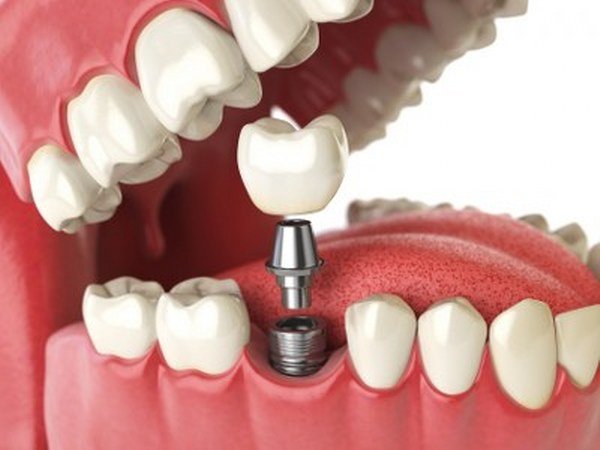
In the past, to replace a row of missing teeth, the patient had to have a minimum of eight dental implants in the upper jaw and six in the lower jaw. The advanced All-on concept means fewer implants are required, making costs significantly lower than they used to be.
All-on-4 holds a full set of teeth.
The Same Day Teeth procedure uses four implants holding up to 14 teeth. Using a non-removable implant-retained denture, patients have a fixed alternative to dentures.

They’re not suitable for everyone.
All-on-4 targets edentulous patients experiencing total tooth loss or those with a few failing teeth remaining. For example, if you have up to five missing teeth, you might be best off with an implant-supported bridge instead of an All-on-4.
You won’t require a substantial amount of bone.
All-on-4 offers full arch rehabilitation using only four implants that can be immediately loaded to hold a whole row of teeth without additional procedures like bone grafts. The All-on technique takes advantage of stronger bone in the front of the jaw, which avoids the need to rebuild the density to be a viable candidate for implant placement.
All-on-4 is cheaper than replacing each tooth root.
There’s no denying that dentures are the cheapest option, at least initially. But if you are adamant about dental implants, All-on-4 offers a cheaper alternative to replacing each tooth root.
Using single implants, you could pay up to £41,300 to replace up to 14 teeth. Meanwhile, with All-on-4, you can expect to pay 14,000 per jaw, covering the cost of dental implants and hybrid dentures. View all implant types and costs.

There’s no other immediate-loading option (you won’t have to wait for new teeth).
With All-on-4, you can have a new set of teeth in just one day – that’s why they’re sometimes called Teeth In A Day. On the same day your implants are positioned, you can leave the clinic with a temporary restoration that will mimic your final set.
While the final set will be thinner and sleeker, your temporary restoration means you won’t have to wait months for the implants to heal and have the final framework fitted.
Both jaws can be restored at the same time.
If we replace an entire mouth of missing teeth, you’ll be pleased to learn that we can restore teeth in both jaws in one session. That means one surgery, which will save you time, stress and money in the future.
All-on-4 might be covered by health insurance.
As more insurers modernise their policies, patients with private health insurance might have their All-on-4 treatment partially covered or reimbursed for a portion of the cost. However, this will depend on your policy. Does insurance cover the cost of dental implants?
The success rate of these implants is over 99.2%, with over 18 years of documented clinical success.
The chance of your All-on-4 dental implant restoration failing is highly unlikely. An incredible solution since 1998, the All-on procedure has an incredible survival rate, with only 9 out of 1,072 patients losing their prostheses due to implant failure. Source.
Affordable dental finance on all treatments over £995.00