How Thick are Veneers & Are They Noticeable in 2025
Seen thick veneers online or on social media and want to know what they’ll really look like? Learn more about the true thickness of veneers we place in London – and learn how seamless and natural they can look when you choose particular brands.
Thickness and strength overview:
- Veneers can be both ultra-thin and strong
- Most modern veneers are 0.2mm thick
- The largest thickness is 0.5-0.7mm
- Usually the thinnest veneers cost more
- The thinner the veneer, the more enamel you preserve
Veneer brands and their thickness:
Explore popular types and brands of veneers used in the UK to learn how thick they are:
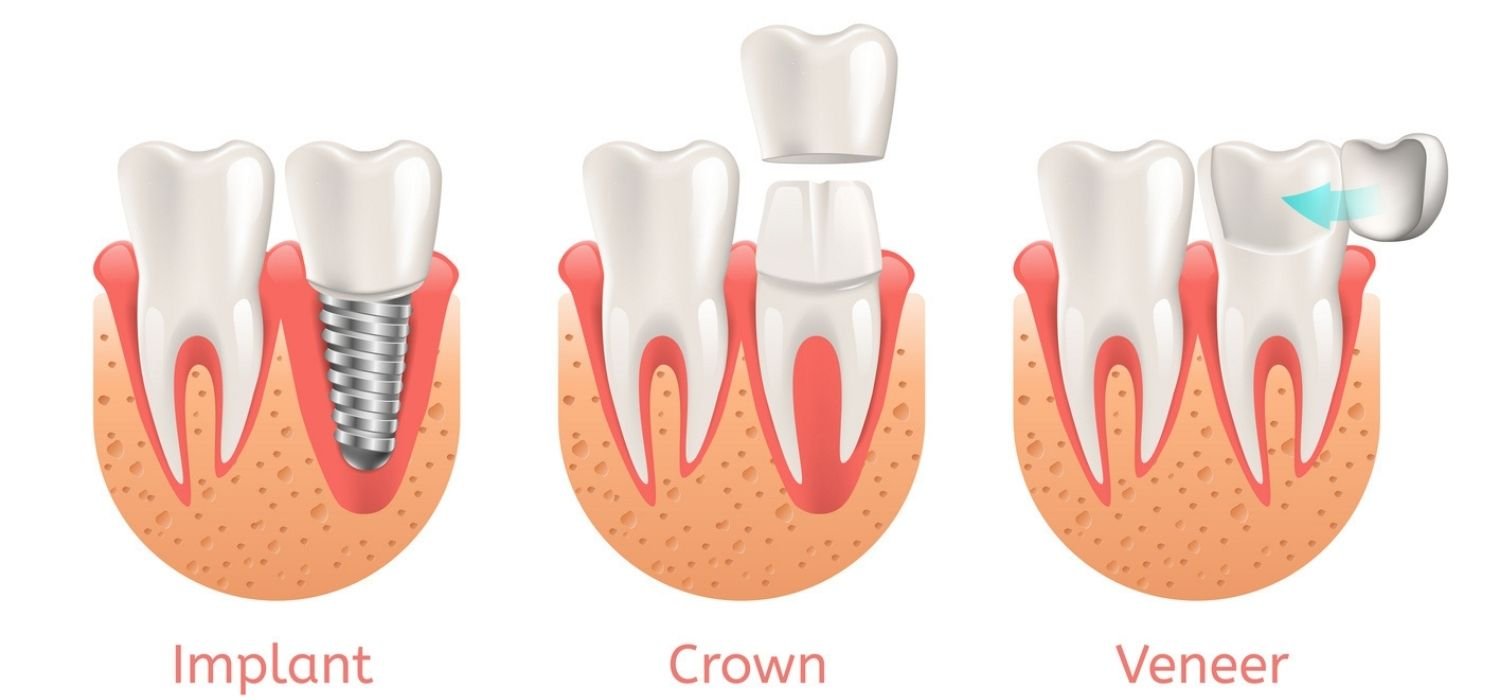
Your veneers might be thin, but they’ll still be strong
While you want your veneers to be as thin and natural as possible, you’ll also have to consider how this affects their strength and durability. To put the table below into perspective, normal adult teeth exert a biting force between 200-250 Newtons (N) on the molars, with the front teeth being typically around 120-150 N.
While some veneers are stronger than others, the most modern porcelain veneers, like Emax, will be an exemplary example of handling everyday biting and chewing forces without issue.
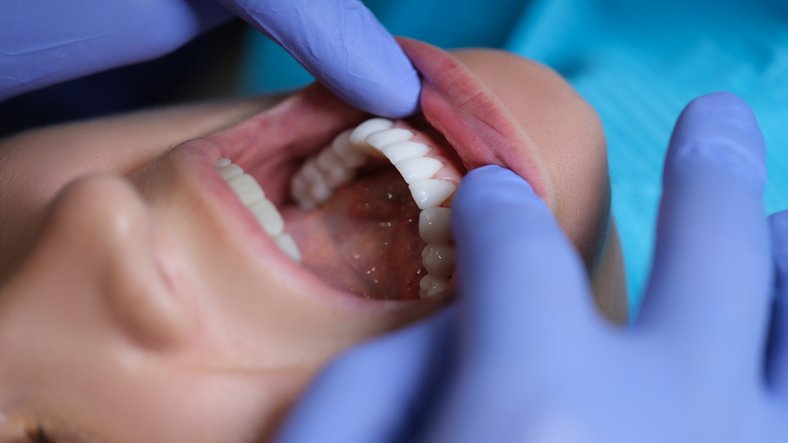
Understand the level of preparation for each thickness
- Minimal / No Prep 0–0.3 mm:Preserves enamel, ideal for ultra-thin veneers
- Standard Prep 0.5–0.7 mm: Slight enamel removal for porcelain strength
- Full Prep (rare) 1 mm+: For severe discolouration or misalignment
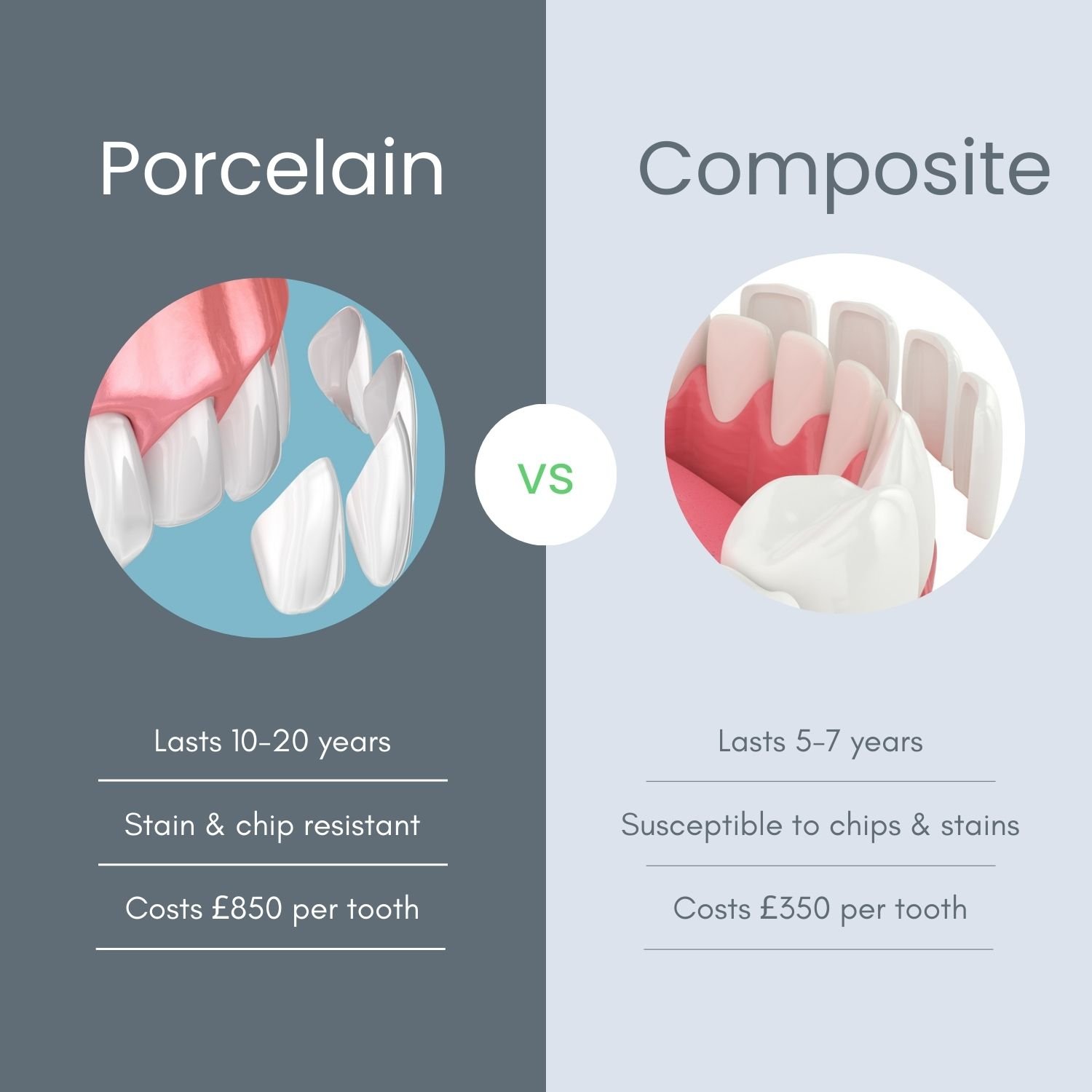
Please bear in mind that composite veneers, however, are no-prep veneers regardless of thickness, as they’re applied directly onto the tooth in layers.
Affordable dental finance on all treatments over £995.00