
Each Type of Veneer, Benefits, Costs & More
People often search for “veneer teeth” when looking for the most natural, long-lasting option, which is why porcelain veneers remain the most popular choice.
If you’re new to cosmetic dentistry or have only learned about dental veneers from social media, you likely won’t realise how thin and natural-looking veneers can be. And if you’re looking for treatments to solve gapped, pointy, discoloured or uneven teeth, then dental veneers are sure to be perfect.
However, if you’re serious about getting veneers, it’s easy to get lost in all the available types and which will be best for your smile (and wallet).
Although in a consultation, our cosmetic dentists will break down the most viable options for improving your teeth, it doesn’t hurt to educate yourself on what’s available so you can learn how the veneers will affect your natural teeth moving forward. So, with that said, let’s break down the types of veneers, their procedures and costs.
Veneer Teeth Cost in the UK
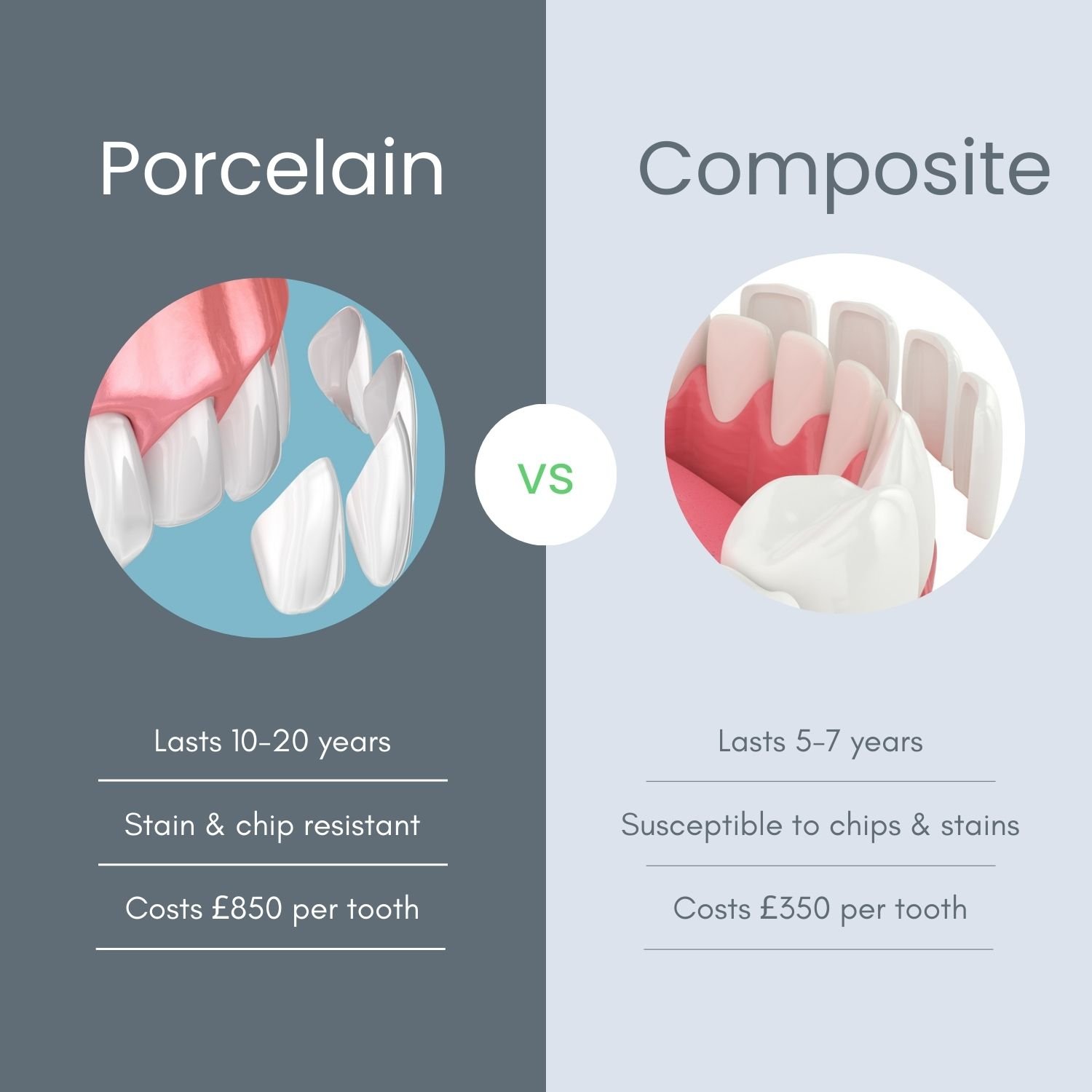
Porcelain veneers
- Costs from £850 per tooth
- Available on finance
- They last up to 15 years
- No-prep options
- Reflects light in the same way as real teeth
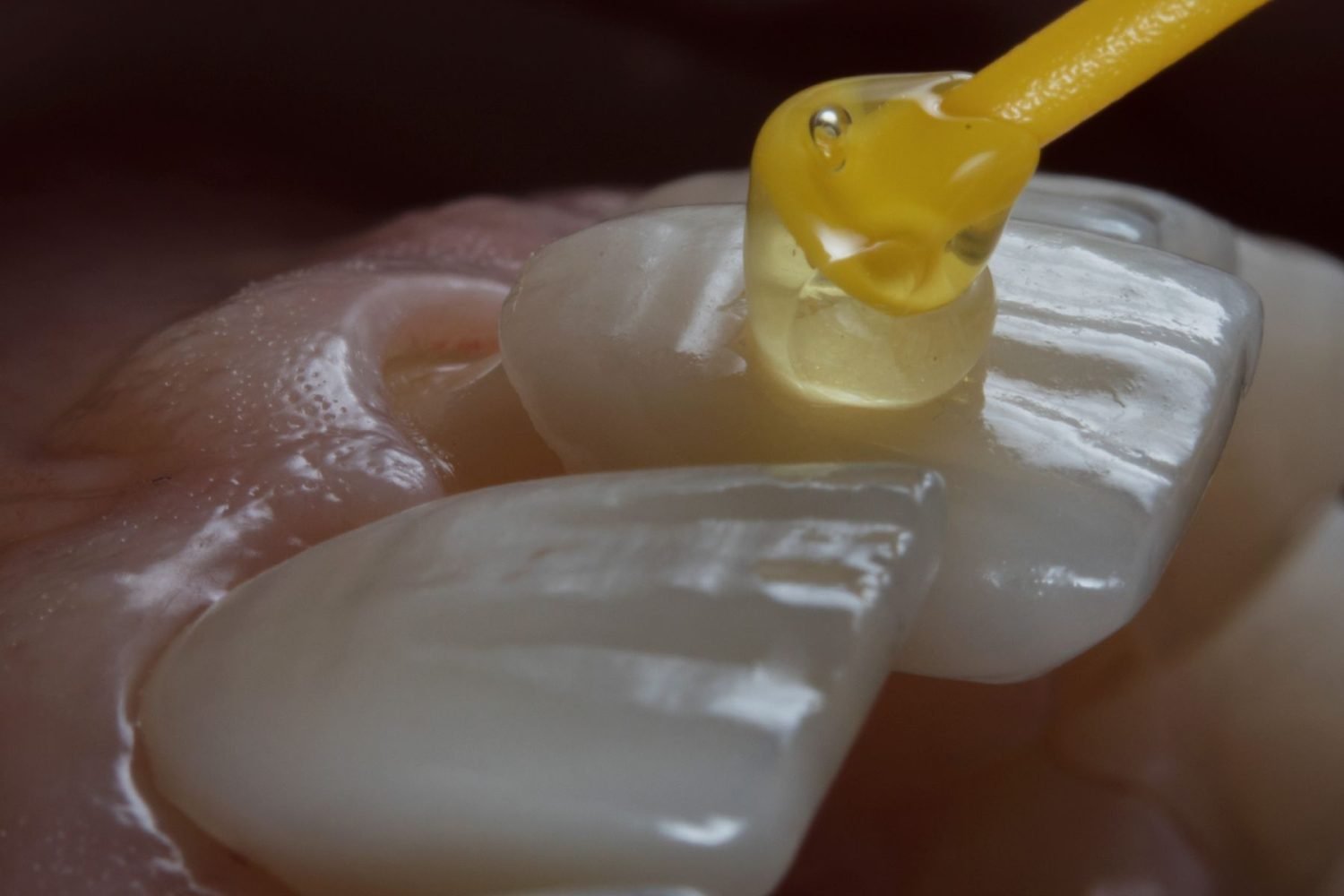
Porcelain veneers are the gold standard. They are the most lifelike because they’re exceptionally well-made from hand-crafted, hardened ceramic.
Having been used for decades, porcelain veneers are traditionally considered thick; however, these days, they’re much thinner and involve much less preparation than before, making them a great solution for patients who want whiter, more even teeth.
As they’re highly customisable, porcelain veneers can look as natural or as artificial as you like. The process involves designing the perfect smile with the dentist and trying it on before it becomes permanent.
Types of porcelain veneers
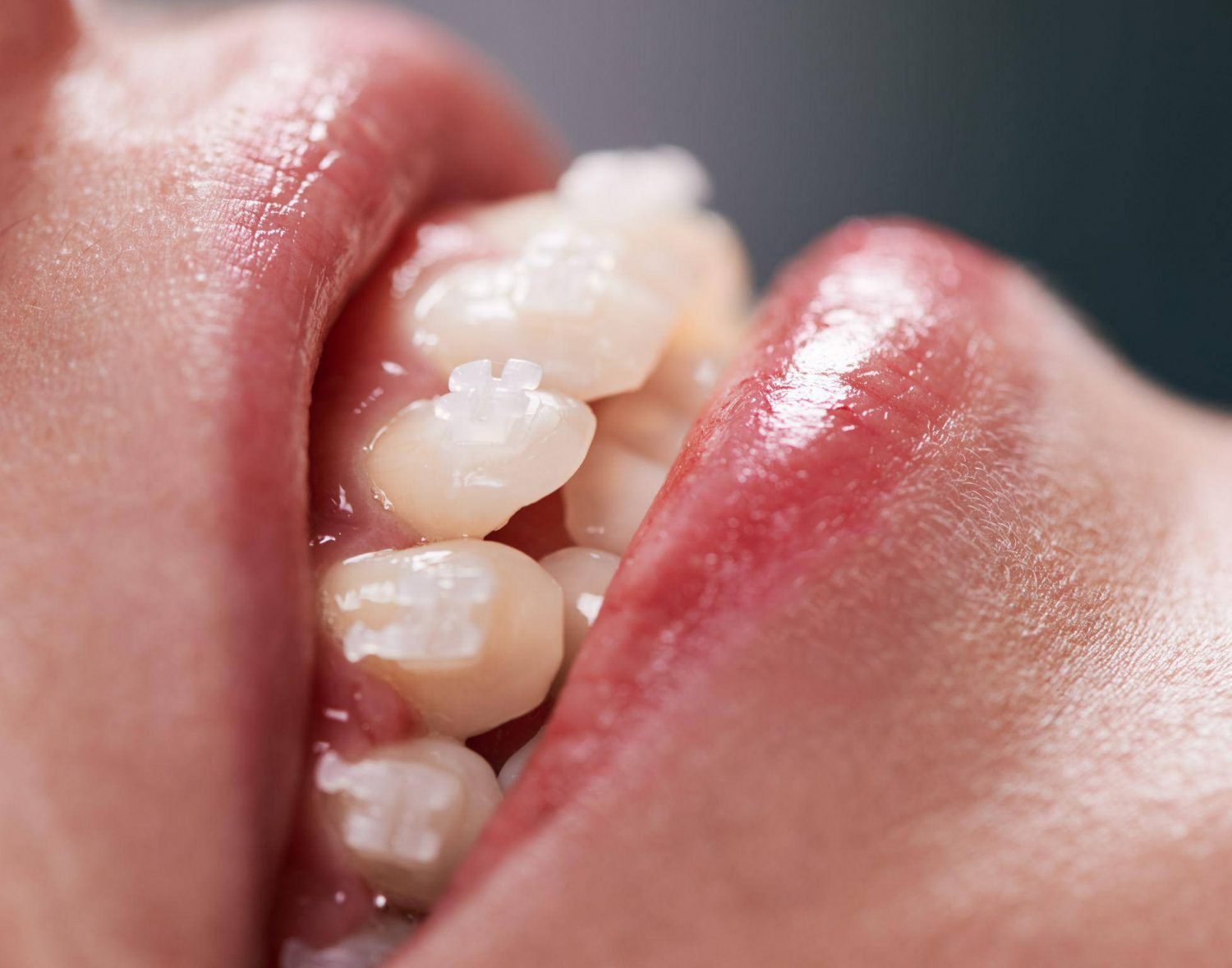
The following veneers are very thin (thicknesses between 0.2mm and 0.4mm) and involve minimal or no preparation at all.
- Emax veneers
- Lumineers (made from ultrathin porcelain, otherwise known as laminate porcelain).
- Ultrathin veneers
- Durathin veneers
Composite veneers
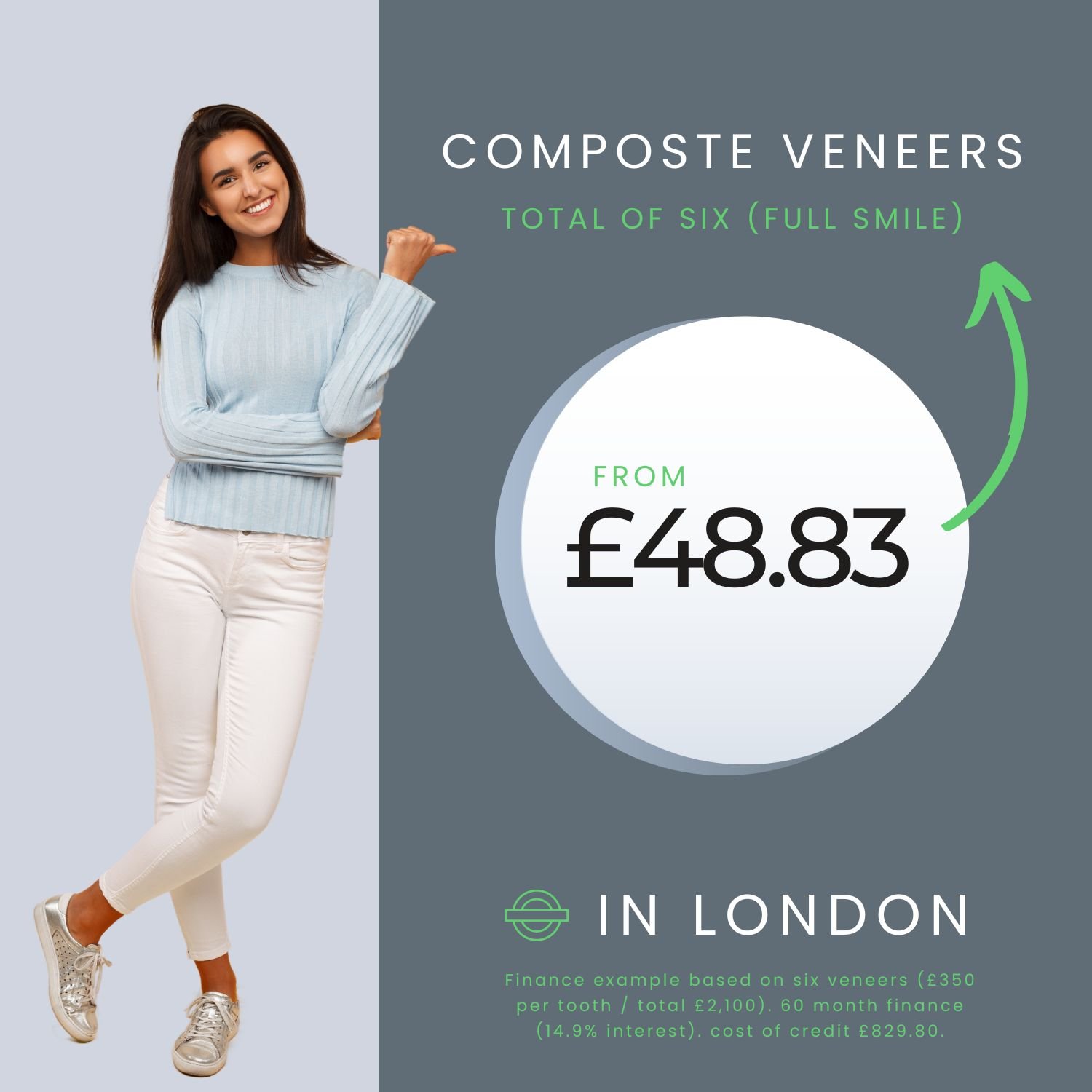
- Costs from £350 per tooth
- Available on finance
- They last between 5-7 years
- Regarded as a no-prep option
- It will need updating more than porcelain
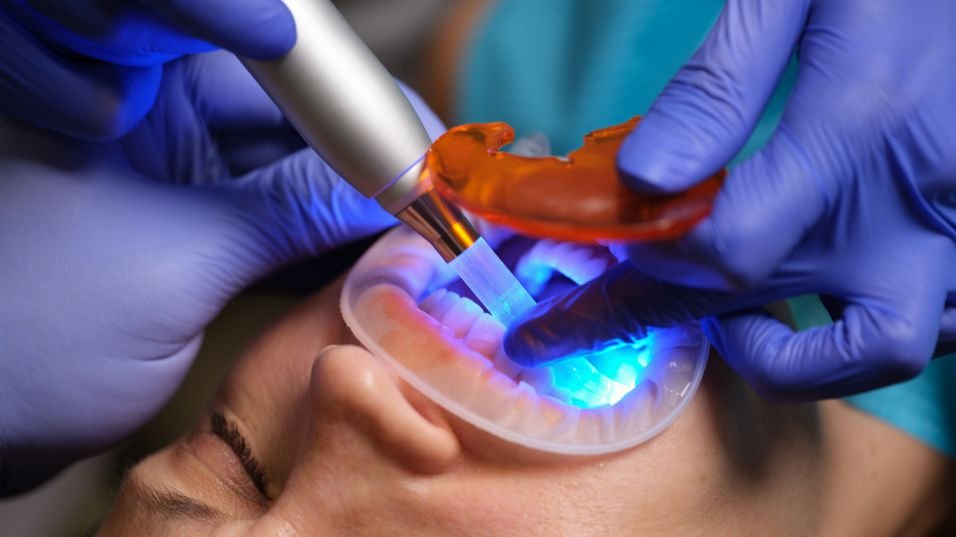
Composite veneers are like composite bonding. They are sculpted directly to the tooth and built up in layers to achieve the right shape and size. Composite veneers are known as “cheap veneers” or immediate veneers, as they can be applied in one visit to the dentist and are often 50% less expensive.
In addition, composite veneers do not require modifications to your natural teeth, which technically makes them reversible. No tooth shaving is required, but the enamel on your tooth might require roughening to allow the composite resin material to bond securely.
Zirconia veneers
- Costs up to £1,200 per tooth
- Available on finance
- They last between 10-30 years
- More translucent than porcelain veneers
The lesser-known type of veneer includes zirconia, often recommended when the tooth is too damaged to be restored with composite or porcelain. Made from a strong ceramic, zirconia veneers replace teeth affected by decay, cracks and chips. Compared to other types of veneers, zirconia lasts longer as they’re less susceptible to damage from everyday foods and drinks.
Palatal veneers
- Costs from £490 per tooth
- Available on finance
- They last 10 years or more
- Used in cases of severe dental erosion
Palatal veneers are often recommended in cases where patients do not have enough tooth structure left in place to hold regular veneers effectively. They are an option for patients with missing teeth, for example. In conjunction with other dental work, surrounding teeth are used as anchors, which hold the teeth securely in place. However, they’re not the most common treatment, making it difficult to find a dentist who offers them, as dental implants are likely to be recommended over them.
Veneer Teeth Before and After
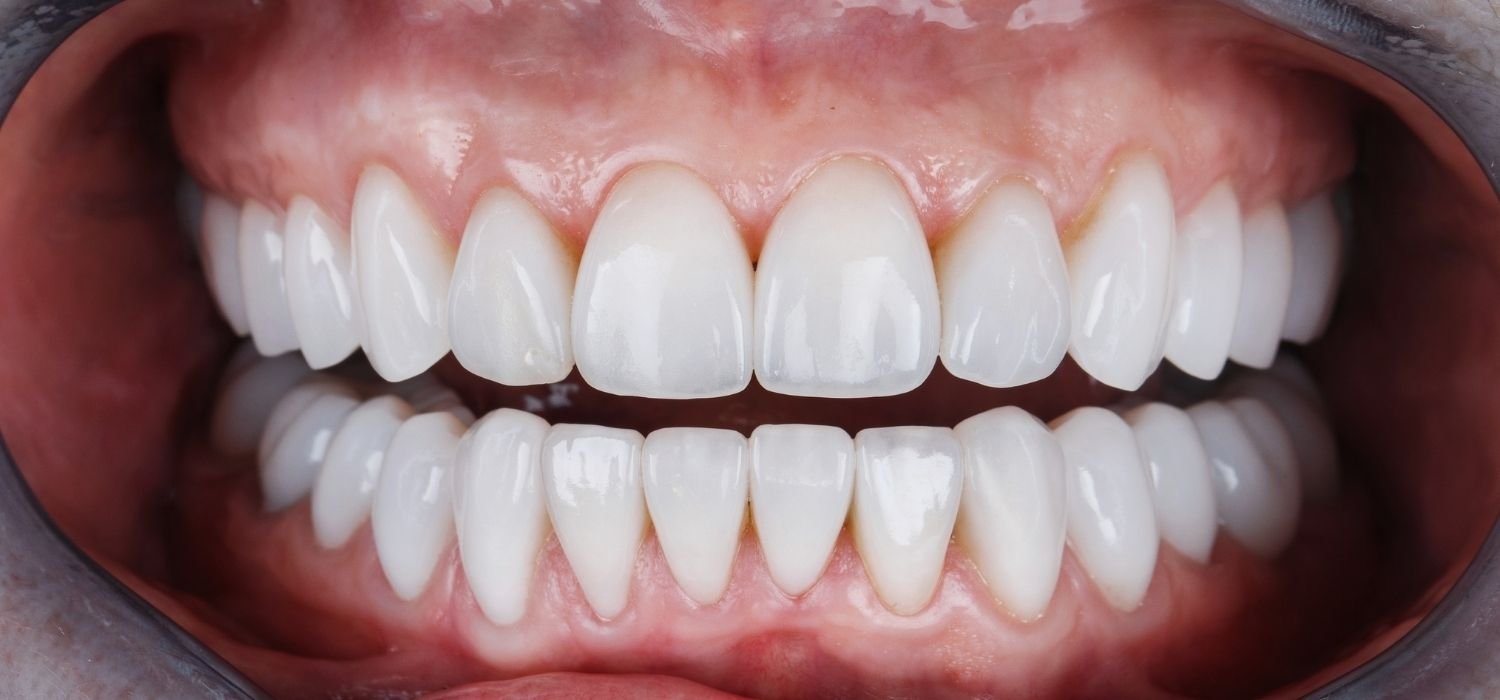
Modern veneer teeth can achieve dramatic improvements in shape, brightness and symmetry. Patients often choose veneers to correct gaps, worn teeth, uneven edges or heavy staining.
FAQs
What are veneer teeth?
Veneer teeth are thin coverings that improve the appearance of the front teeth by changing their shape, size or colour.
How long do veneer teeth last?
Composite veneer teeth last 5–7 years, while porcelain veneer teeth last 10–15 years or longer with good care.
Do veneer teeth damage your natural teeth?
No, modern veneer techniques are minimally invasive or no-prep, meaning the natural tooth structure is preserved.
Are veneer teeth painful?
Most patients feel no pain. Porcelain veneers may require minimal enamel smoothing, but this is quick and comfortable.
Are veneer teeth reversible?
Composite veneers are reversible; porcelain veneers are usually not, unless using a no-prep version like Durathin or Ultrathin.
Are veneer teeth expensive?
Composite veneers start from £350 per tooth, while porcelain veneer teeth typically range from £850–£1,200 depending on type.
Affordable dental finance on all treatments over £995.00