How Do You Get Rid of Tooth Pain ASAP?
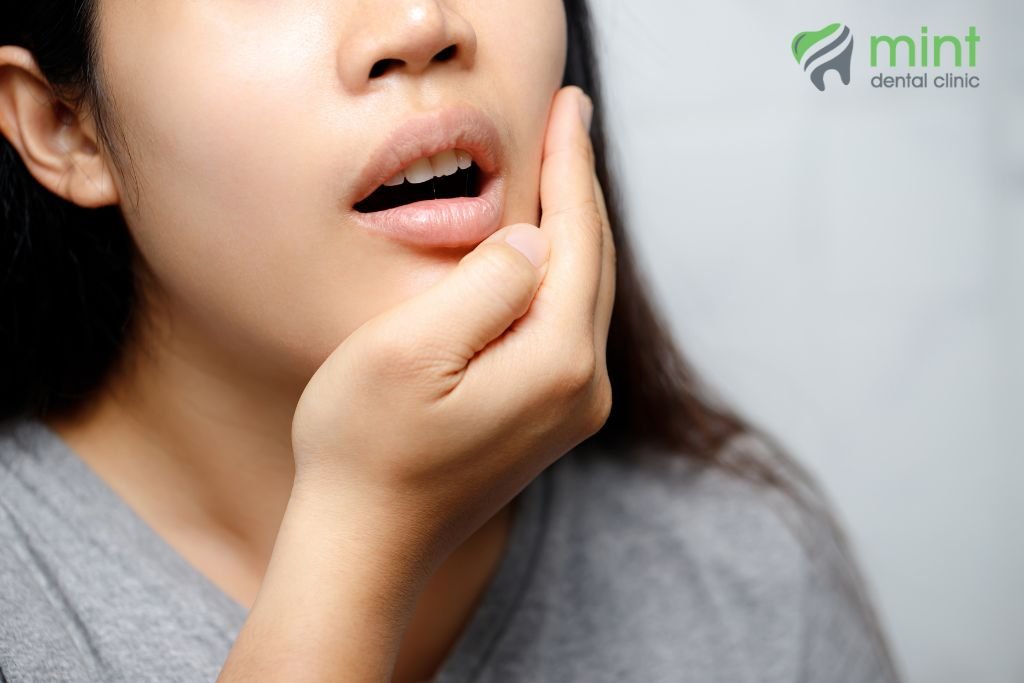
Unbearable tooth pain or throbbing toothache is often the first sign that something is wrong with your oral health.
When to seek urgent dental treatment
If you have tooth pain that lasts more than 2 days and is not relieved by over-the-counter pain relievers like ibuprofen or paracetamol, then you’ll want to book an emergency appointment.
If tooth pain persists, regardless of its severity, you should always consult the dentist. The pain is likely caused by decay or an infection that will only worsen if you ignore it. Tooth pain like this won’t go away alone.
Never delay treatment for tooth pain if your symptoms are accompanied with:
- A high temperature, fever or chills
- Pain when you bite down
- Red, puffy or swollen gums
- A swollen neck, cheek or jaw
- Persistent bad taste in your mouth
Book an emergency appointment at our clinic in London.
Common causes of unbearable tooth pain
- Advanced dental decay or cavities
- Worn-down or damaged dental fillings or crowns
- Dental abscesses or a cracked, broken tooth
- Gum disease can cause heightened tooth sensitivity and throbbing gum or tooth pain
- Injury to the tooth or a tooth infection
- Tooth sensitivity from gum recession or enamel erosion
- Bruxism or teeth-grinding
- Impacted wisdom teeth
Teeth can suddenly become very painful due to dental decay, cavities, infection, fractures, and abscesses. Sudden tooth pain, a black tooth, or sensitivity to hot, cold, or touch can often indicate a pulp infection, which will require a root canal to save the tooth from extraction.
Common dental treatments for tooth pain
When consulting a dentist, they can determine the cause of your discomfort and recommend an appropriate course of treatment. Typical treatments for tooth pain are often as follows:
- Dental fillings from £155 (white)
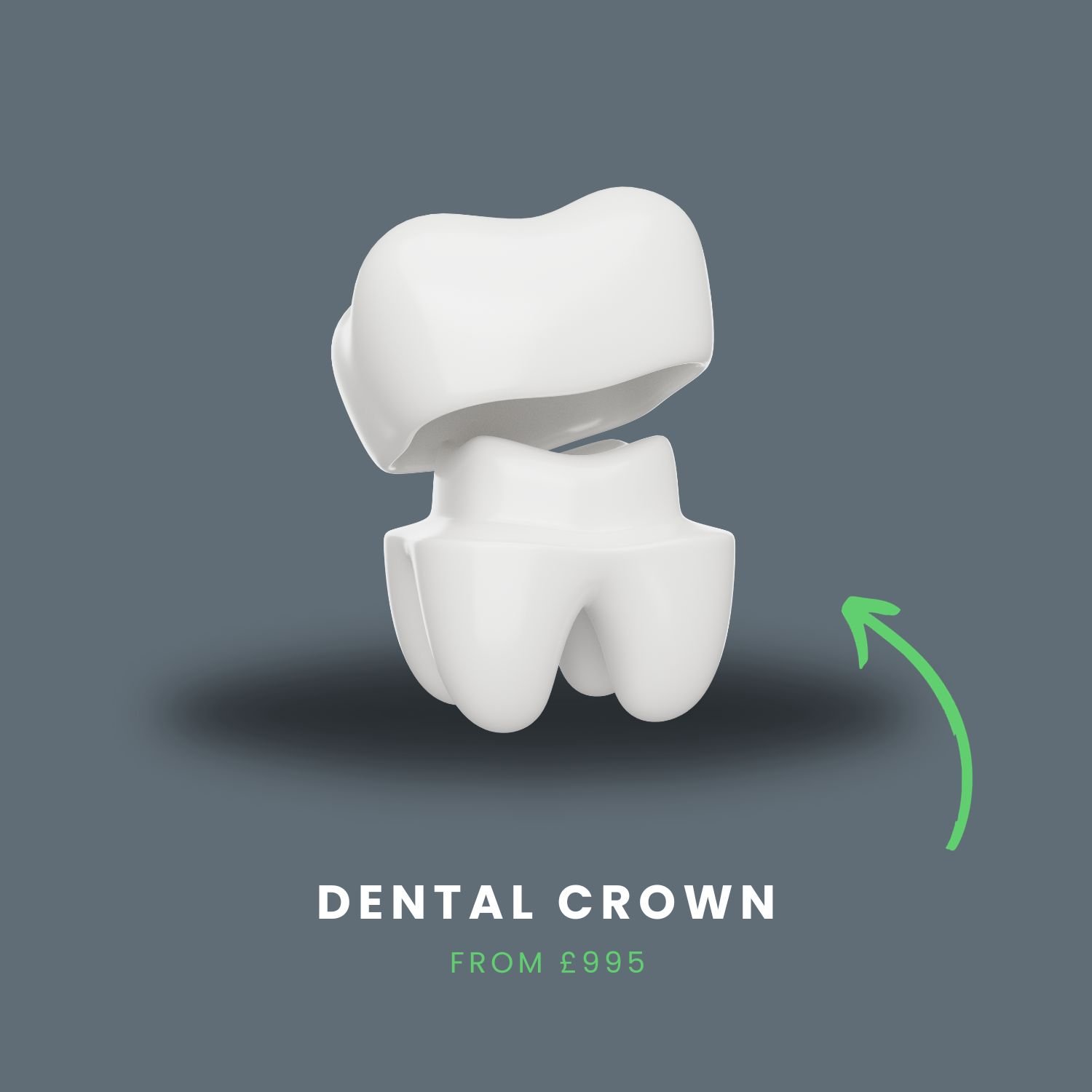
- Dental crowns from £995
- Root canals from £425
- Tooth extraction from £195
Methods to stop excruciating tooth pain
Tooth pain makes it very hard to concentrate, rest, and even sleep—and it can feel even worse at night when you lie your head down. The main reason a toothache is more painful at night is your sleeping position.
When you lie down, blood rushes to your head, increasing pressure on sensitive areas, which is why the throbbing sensation is less prevalent during the day. So, propping your head up can help.
You can try several other methods to relieve toothaches at night; for example, rinsing your mouth with salt water can help quickly ease toothaches.
Other methods you can try to relieve tooth pain:
- Apply a cold compress every 10 or 20 minutes for 10 minutes at a time to reduce inflammation (especially effective for wisdom tooth pain).
- Use clove oil for its antiseptic properties and to numb the affected area. Soak a cotton swab in clove oil and apply it directly to the affected area.
- Avoid certain foods and drinks, such as citrus fruits and sweets, which can worsen tooth pain. You might also find it advisable to refrain from eating solid foods until your appointment.
- If the reason for your tooth pain is an infection, it’s best to refrain from smoking or using any tobacco product during this time, as they cause inflammation and irritation of the gums.
- Wear a night guard while sleeping to relieve pain caused by teeth grinding.
Affordable dental finance on all treatments over £995.00