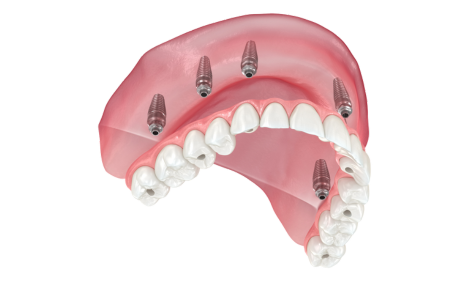
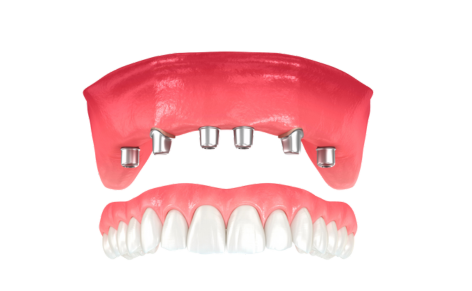
The main types of dental implants used today are endosteal implants, subperiosteal implants, zygomatic (cheekbone) implants, and immediately loaded implants. Each type is used for different levels of bone, tooth loss and stability.
Your dentist will recommend the most suitable implant type based on bone structure, the number of missing teeth and your long-term treatment goals.
Have you just been told you need dental implants? Or are you tired of your dentures and researching something more secure? Well, hopefully, our guide to dental implant types and treatments can help make your choice a little easier. Whether you need just one or a full mouth, there’s a dental implant type and treatment option that suits all kinds of tooth loss.
High success rate of 95%

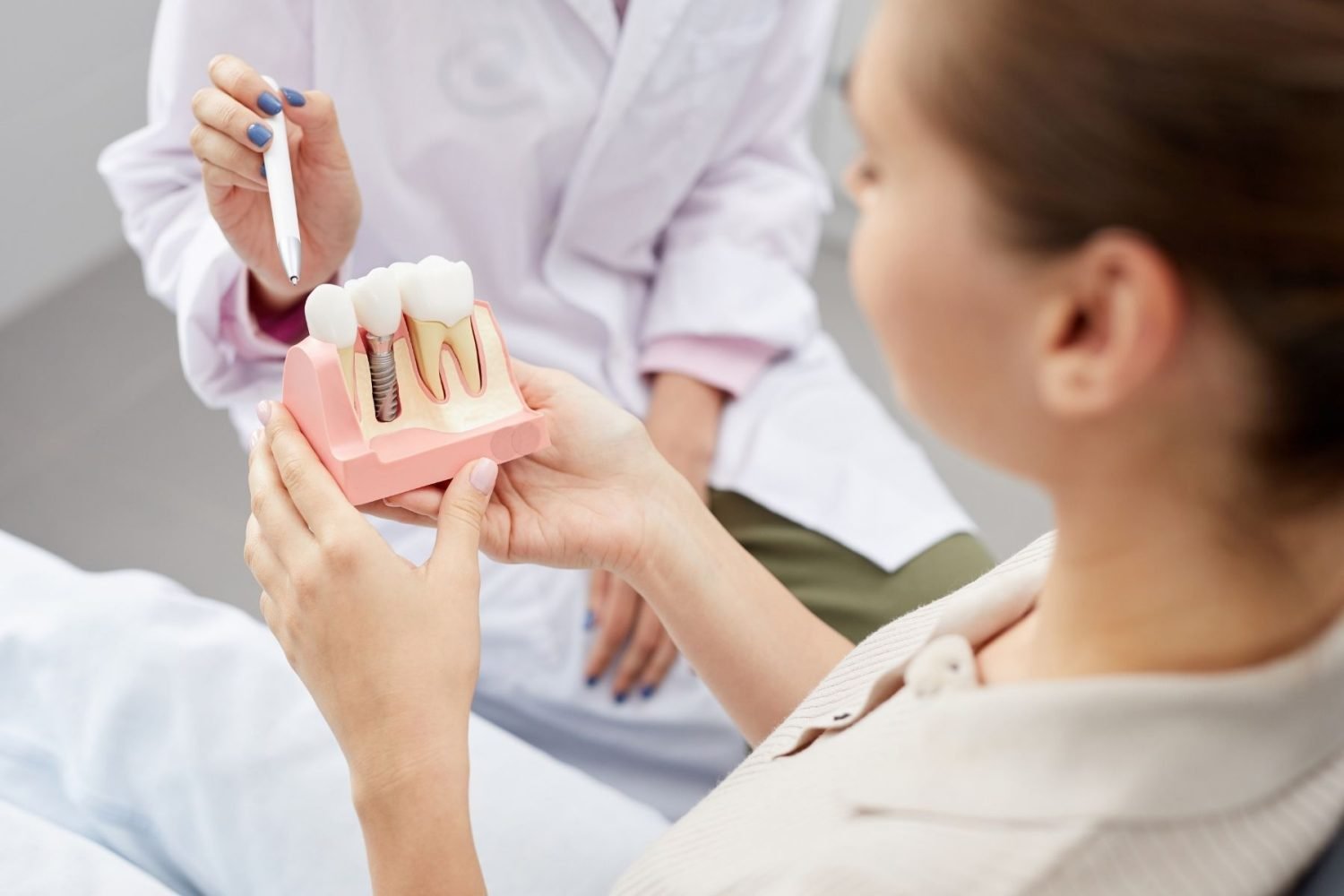
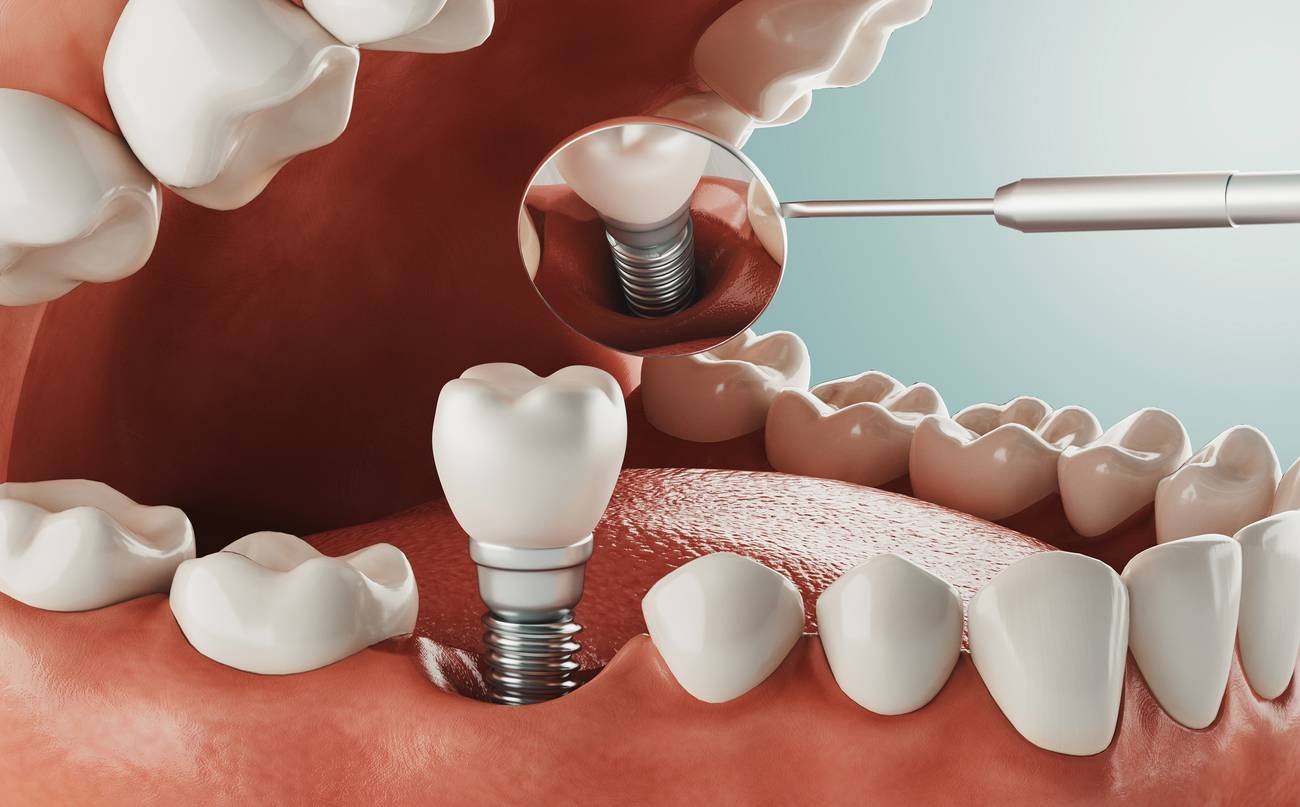
Endosteal implants are the most common type of dental implant, which means they’re suited for mostly all kinds of patient. However, just like other dental implant types, they require a good healthy amount of bone in the jaw to successfully bond to.Â
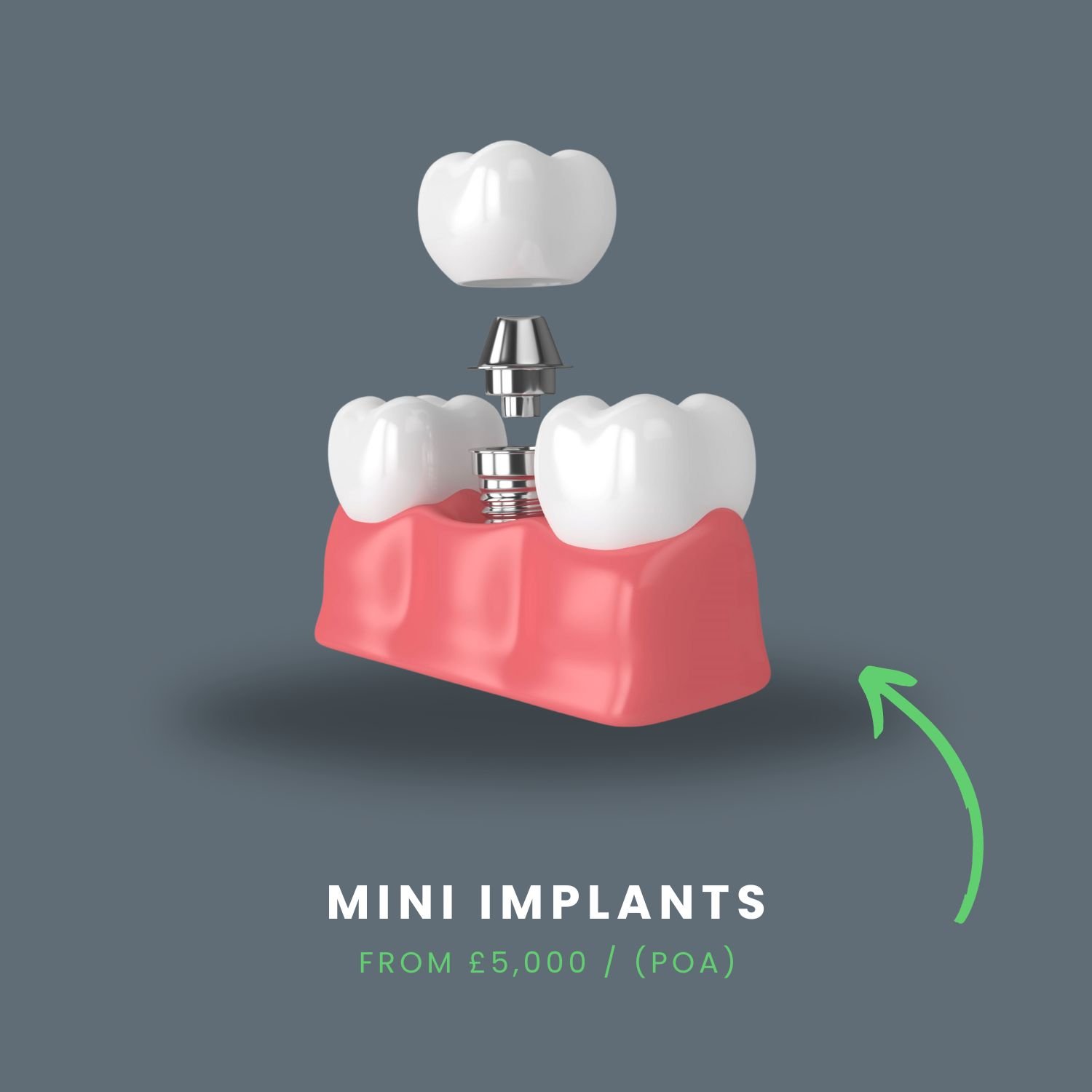
Endosteal implants feature posts that are shaped like screws and are implanted into the jaw and connected to an abutment to hold the false tooth.
They require a healing time of around 3 months for the implant to fuse with the jawbone successfully. After this time, your final restoration can be loaded.
10 year survival rate of 79%
Subperiosteal implants are one of the main alternatives to endosteal implants, and instead of being fixed into the jawbone, instead rest on top of the bone, but still under the gum.Â
With this type of dental implant, a metal frame is positioned under the gum with a post attached to it, where the gum heals around the frame keeping it firmly in place. False teeth are then attached to the poles that comes through the gum.
The surgery for subperiosteal implants is more invasive than other types of dental implants, with a higher infection risk.
97.9% success rate

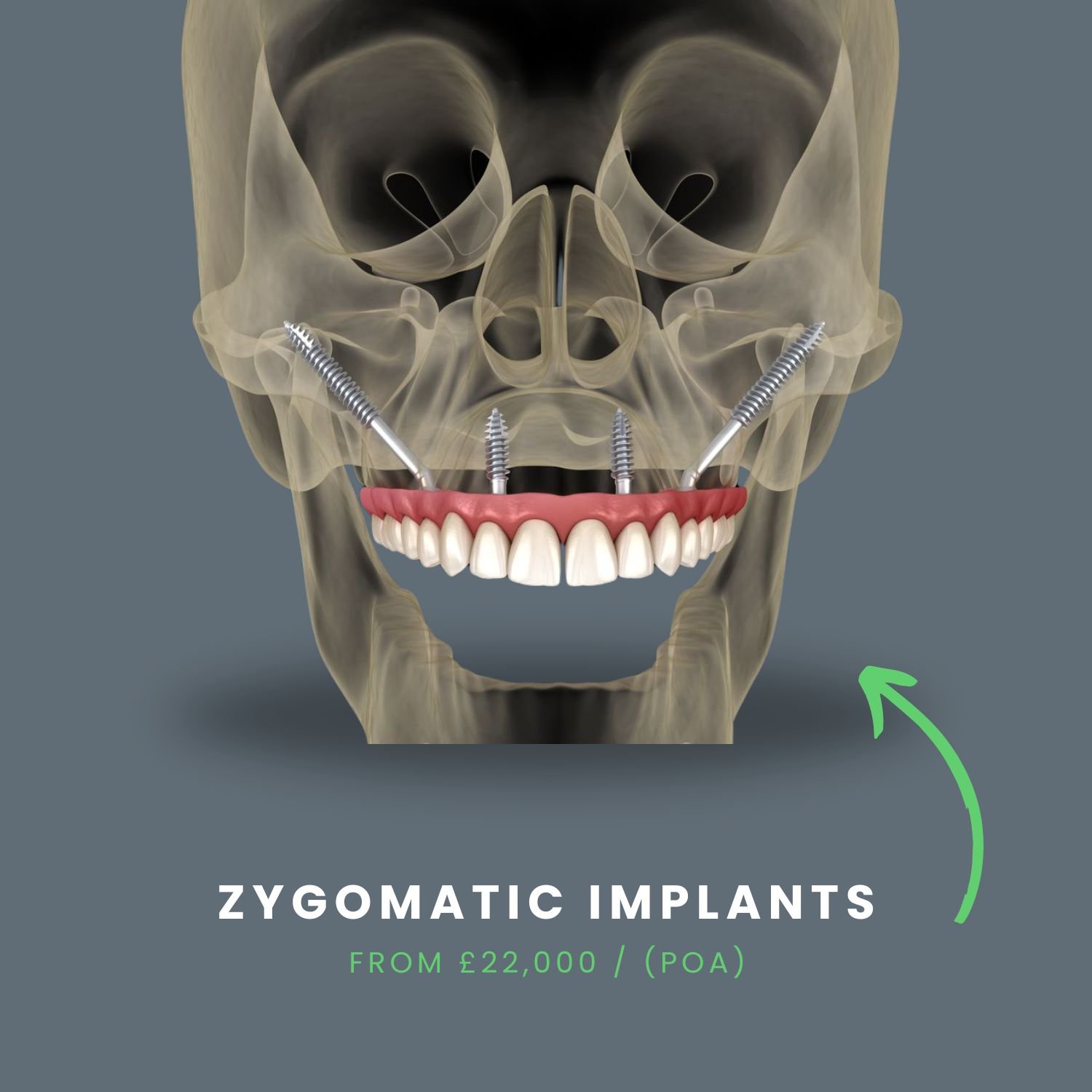
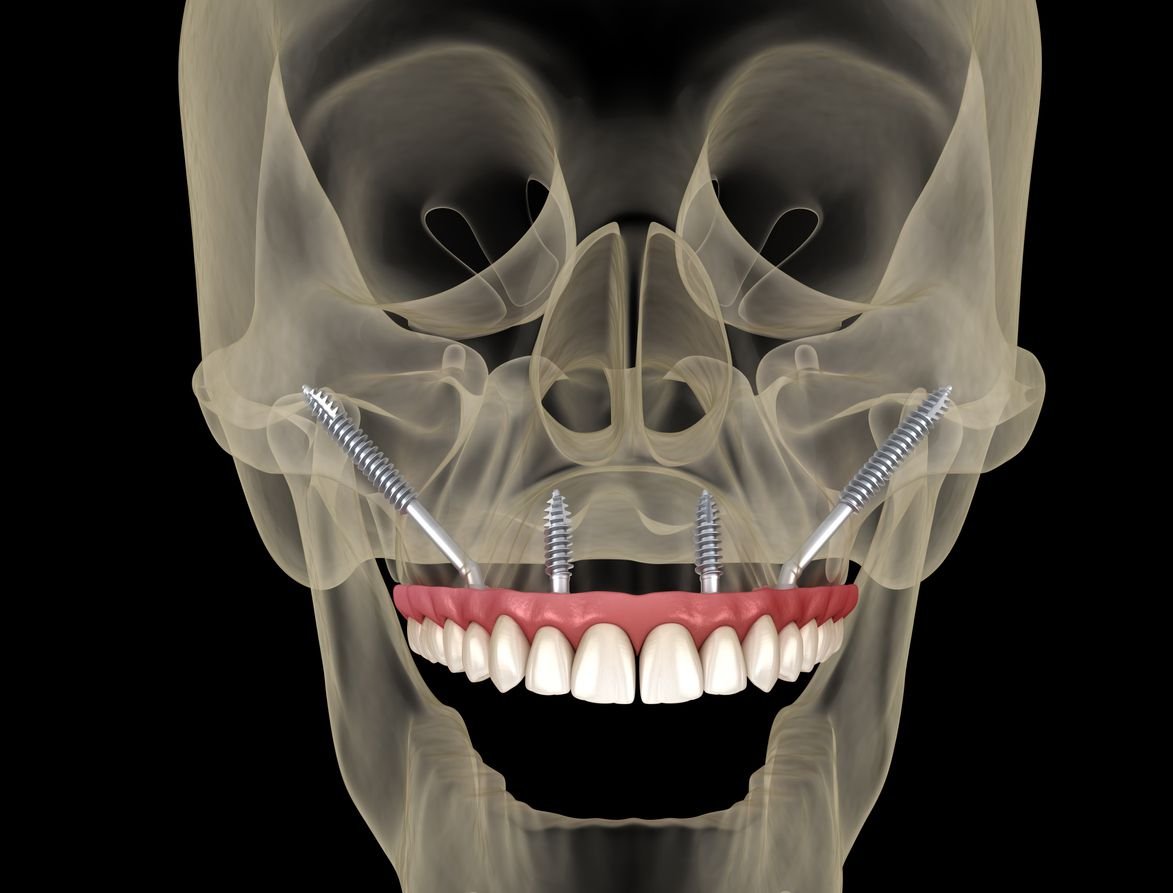
Zygomatic implants anchor a fixed bridge of teeth and are the least common type, since they’re implanted into the cheekbone and this is reflected in the price.Â
Longer than traditional dental implants, they provide additional support for patients experiencing severe bone loss and offer a less invasive alternative to bone augmentation surgeries.
It’s a complicated procedure that needs to involve an experienced dentist, that involves implants being placed into the cheekbone rather than a jawbone due to a lack of bone density in the jaw.Â
94.31% success rate

Deserving a category of its own, immediately-loaded implants offer patients the chance to walk away with a full mouth of teeth the same day as their implantation surgery.Â
Immediately-loaded implants allow patients to walk away the same day as their surgery with temporary teeth, which is perfect for patients who do not have enough bone and require an implant secure enough to support the placement and pressure of temporary teeth.
Immediate-loaded teeth include:
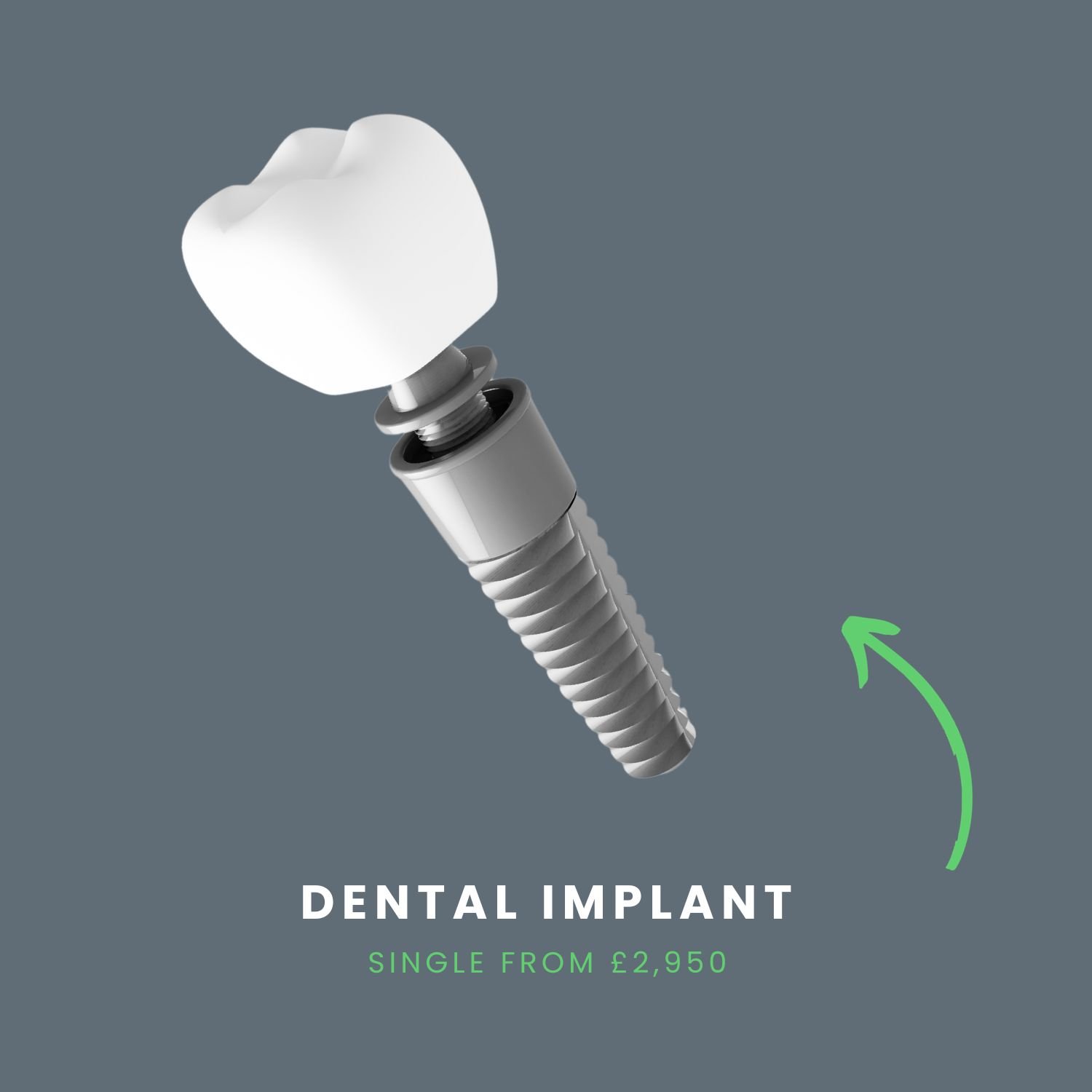
Single implants are used to replace individual gaps in your smile. They are not immediate and will take a few months.
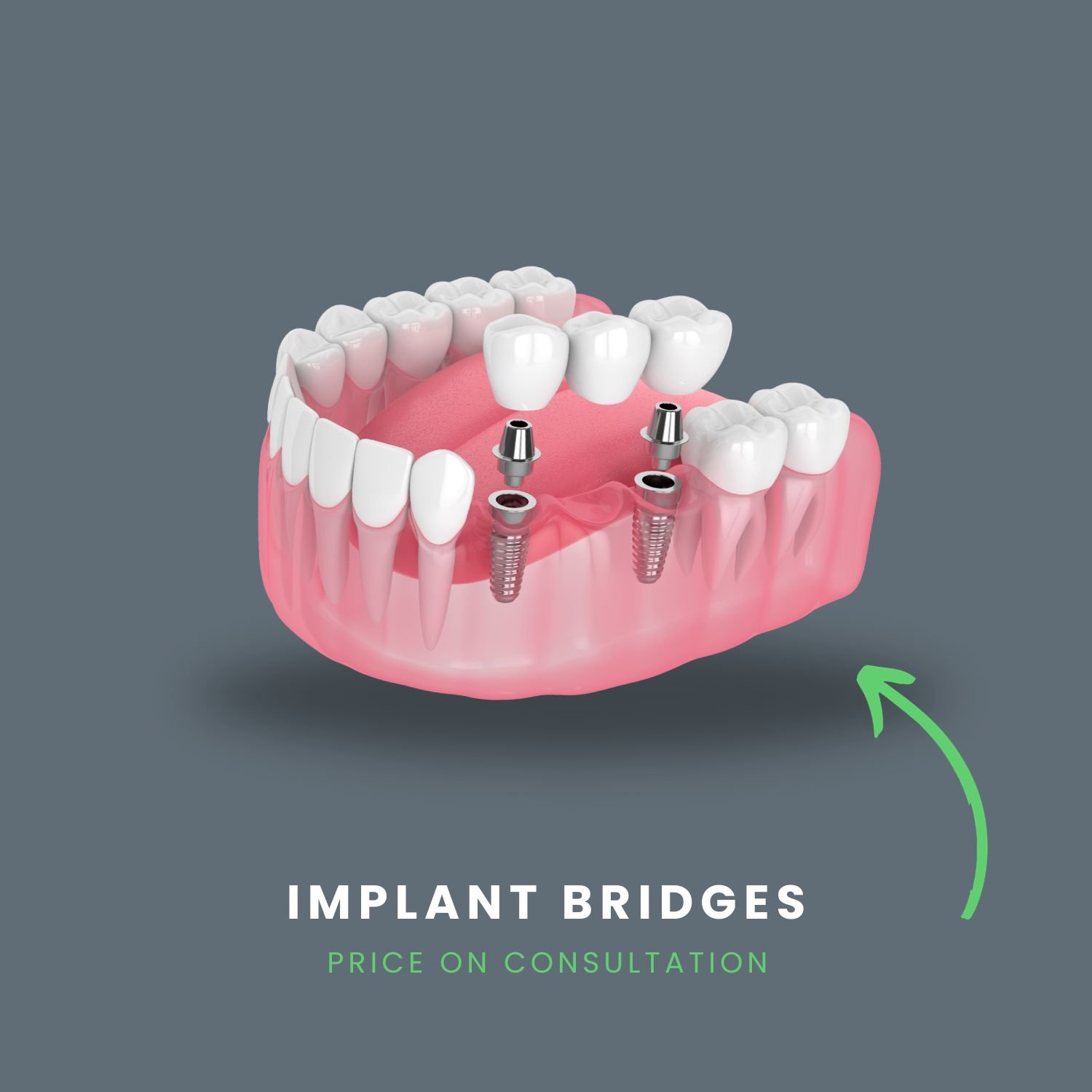
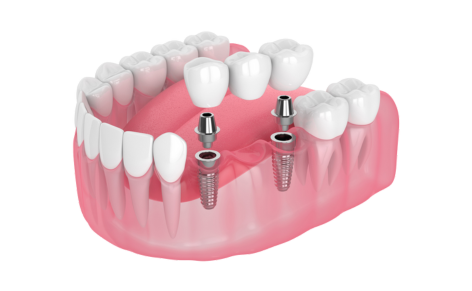
Recommended to restore multiple missing or failing teeth in a row. A better alternative to regular bridgework.
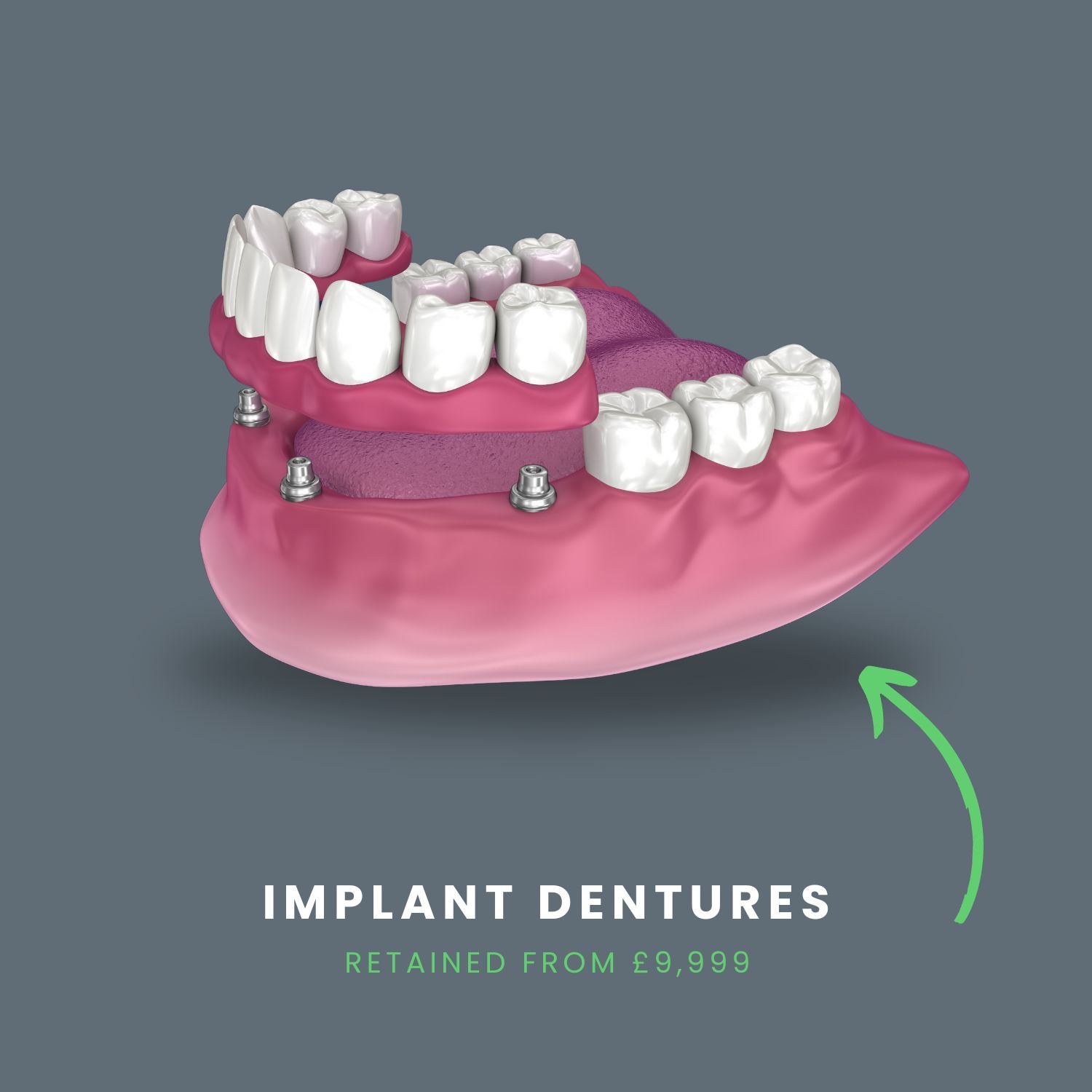
Referred to as clip-in dentures, the replacement teeth carry acrylic dentures attached to dental implants embedded in the jaw.
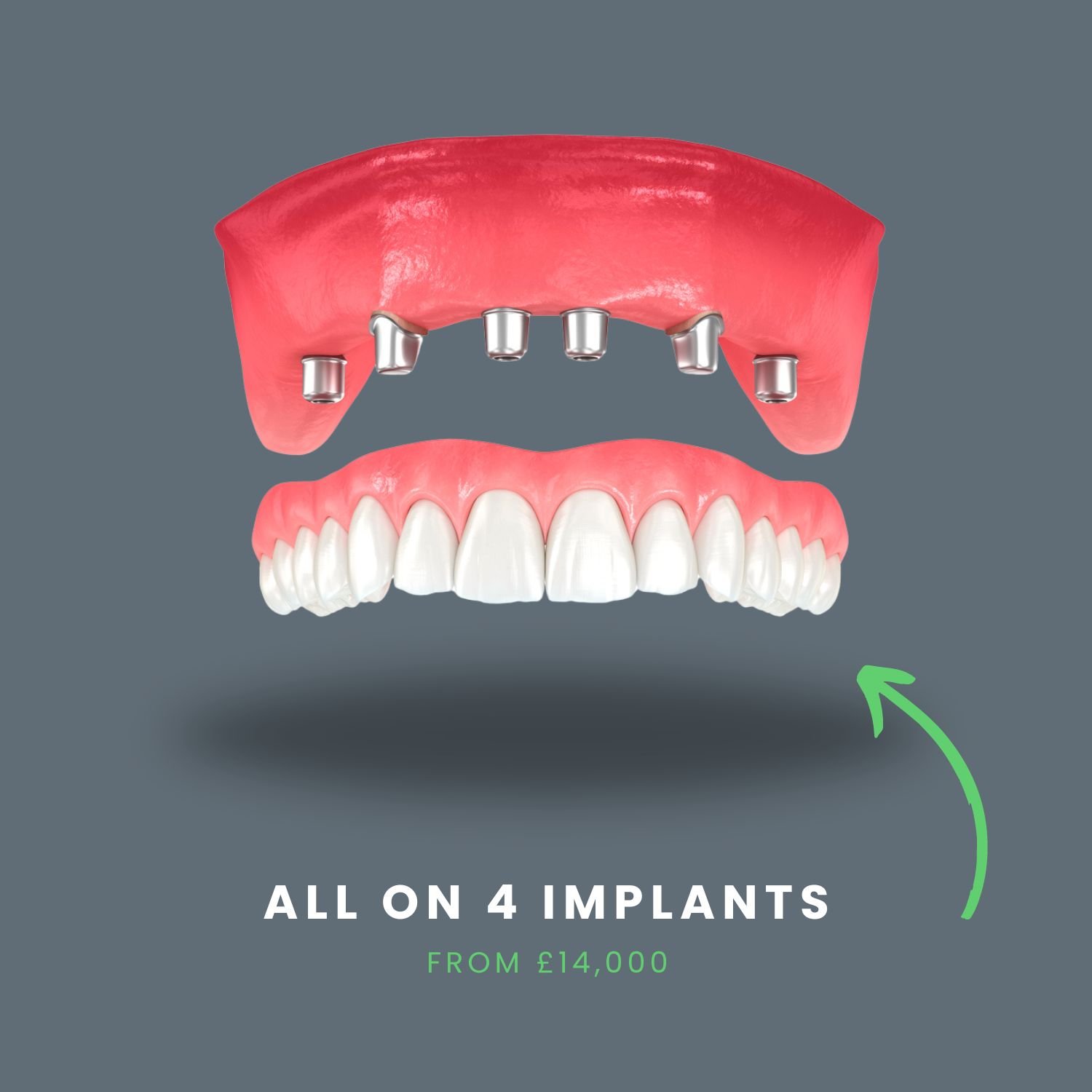
Full mouth dental implants that can be immediately loaded on the same day surgery – a cheaper alternative to multiple implant placement.
Rather than embedded into the jawbone, these implants are longer and attach to the cheekbone to help patients avoid the need for additional grafting procedures.
Still not sure which dental implant type you need? Explore the tables below for an overview of each system and how they compare.
If you’re unsure which type of dental implant is best for you, your suitability depends on bone levels, the number of missing teeth and your treatment goals. Book a consultation and our implant dentist will explain the different implant types, materials and long-term outcomes so you can make an informed choice.