Veneer Timelines (All Types & Durabilities Broken Down)
How long veneers last will depend firstly on the type of veneer you choose for your treatment. For example, different types have different durability, but don’t worry; we’ll break down each system for you. We’ll answer:
- Are veneers permanent?
- How long do porcelain veneers last?
- How long do composite veneers last?
- How you can make your veneers last longer
- What affects the durability of veneers?

Different types of veneers and how long they last
Explore: Porcelain, eMax, Composite, All Types
Are veneers permanent?
Dental practices ranking for “how long veneers last” are all saying different things. One, for example, claims that veneers are permanent, and another says it’s not. So, what’s the truth?
It’s a tricky question to answer because, in part, veneers are not permanent, even when placed by the most qualified cosmetic dentist, and you maintain the best aftercare.
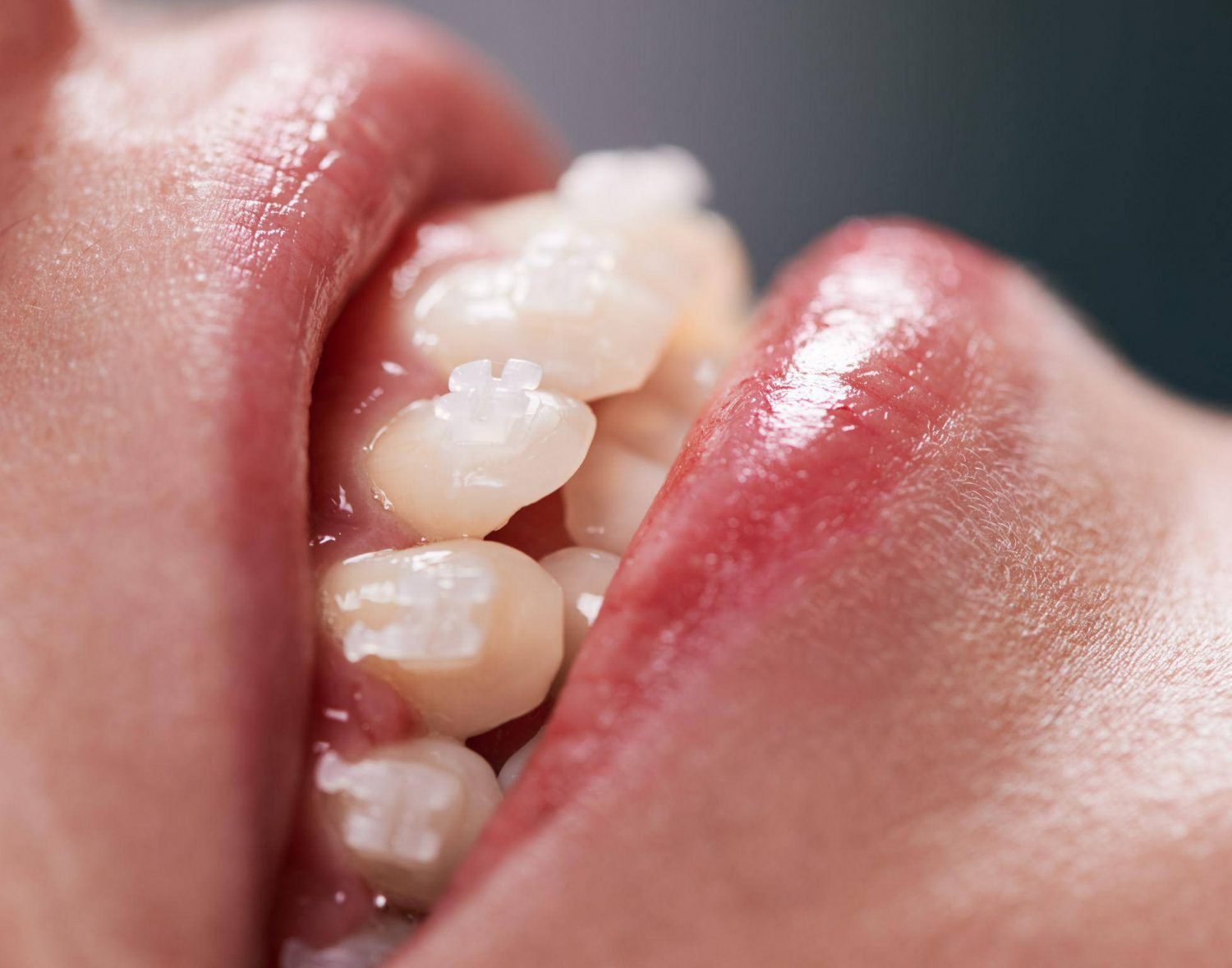
Eventually, all veneers require replacement. Plus, if you opt for modern no-prep veneers like composite or Lumineers, for example, in some cases, no enamel is removed, making them reversible.
However, that said, in the case of porcelain veneers, the effects of the treatment are, for example, permanent. This is because they are not reversible.
Tooth enamel (even a minimal amount) is removed to provide space for the veneers to be placed, which means you’ll never be able to expose your natural tooth again.
With the enamel removed, it will be very sensitive as the tooth has lost its protective layer.
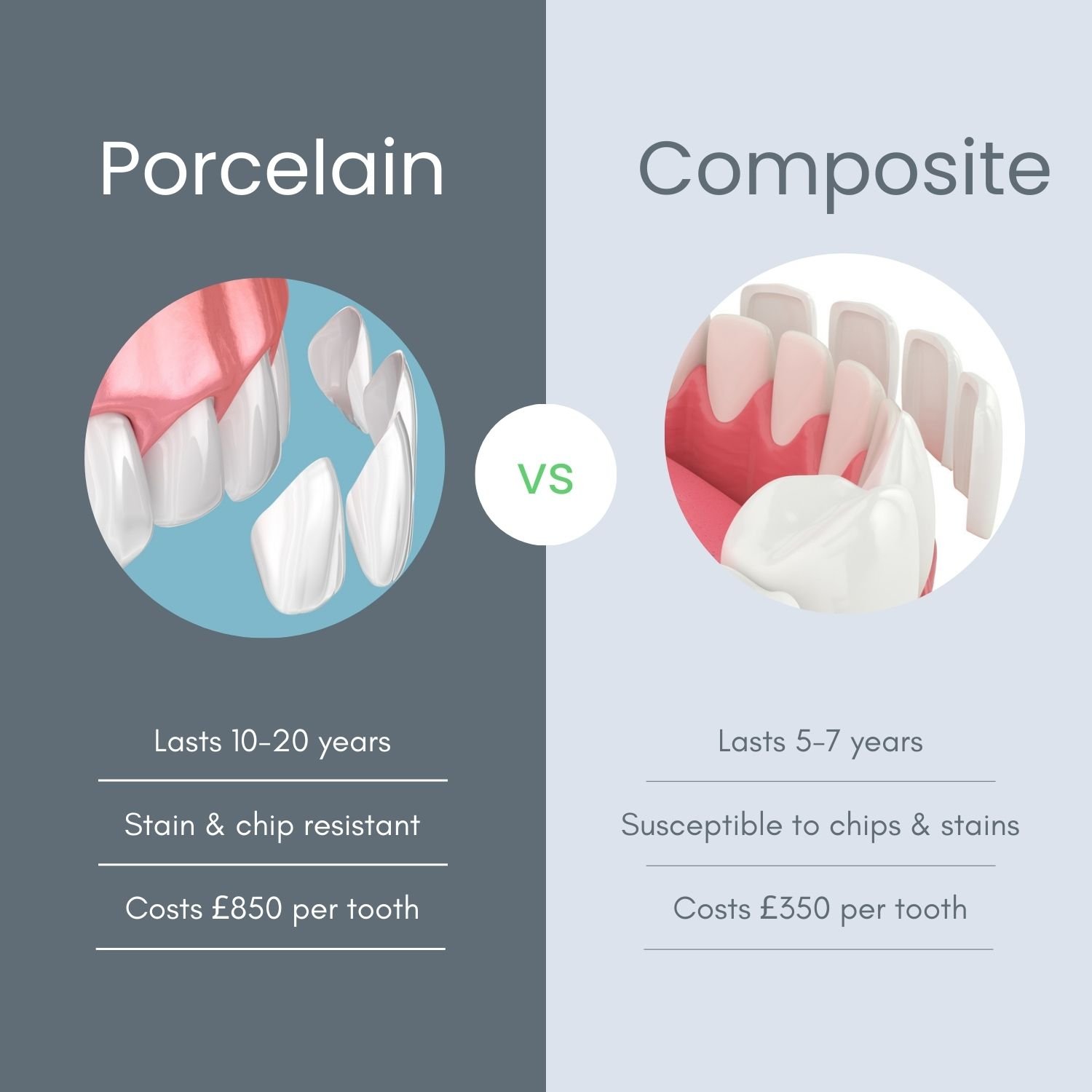
Porcelain vs composite veneers (longevity)
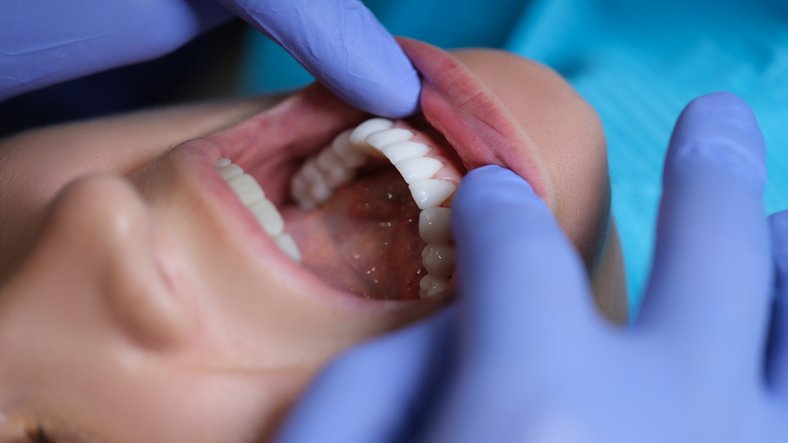
If you’re looking for the longest-lasting veneer, porcelain is undoubtedly the best choice. However, there are other considerations to consider.
While porcelain lasts the longest, it permanently changes the underlying tooth, which means you’ll have to renew your veneers once they begin to wear.
It’s not really possible to repair porcelain veneers; most require replacement. Unlike composite veneers, which are easier and cheaper to repair but need frequent attention as they’re more prone to chipping and staining, they keep much of the underlying tooth intact as the composite is applied in layers on top of the tooth.
Compare porcelain and composite in more detail.
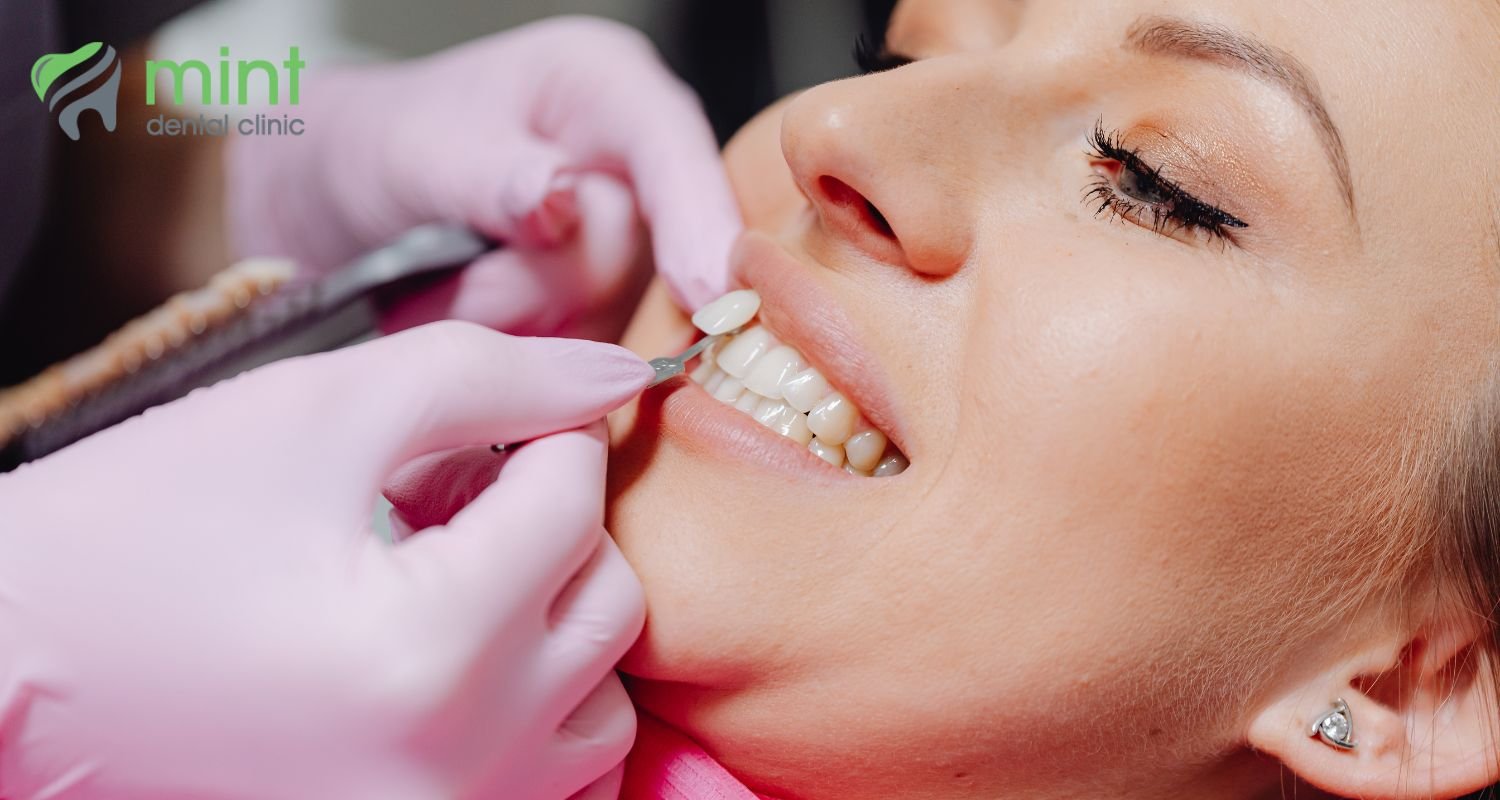
How to make your veneers last longer
Want to make your veneer last up to 20 years?
To extend the lifespan of your veneer, you’ll mostly need to maintain good oral hygiene and visit the dentist regularly—nothing too different from what’s already expected of patients.
However, to make porcelain veneers or even composite ones last longer, you might want to avoid hard foods and use your teeth as tools (like biting pens or biting off tags, for example).
To keep your veneers’ aesthetic appeal and make them look newer for longer, it’s best to avoid foods and drinks that can stain. Rinsing your mouth after eating or drinking through a straw can help. Smoking is also a big no-no, as it can stain your veneers.
If you grind your teeth or suffer from bruxism, you might also benefit from wearing a mouthguard when you sleep to protect the veneers from breaking.
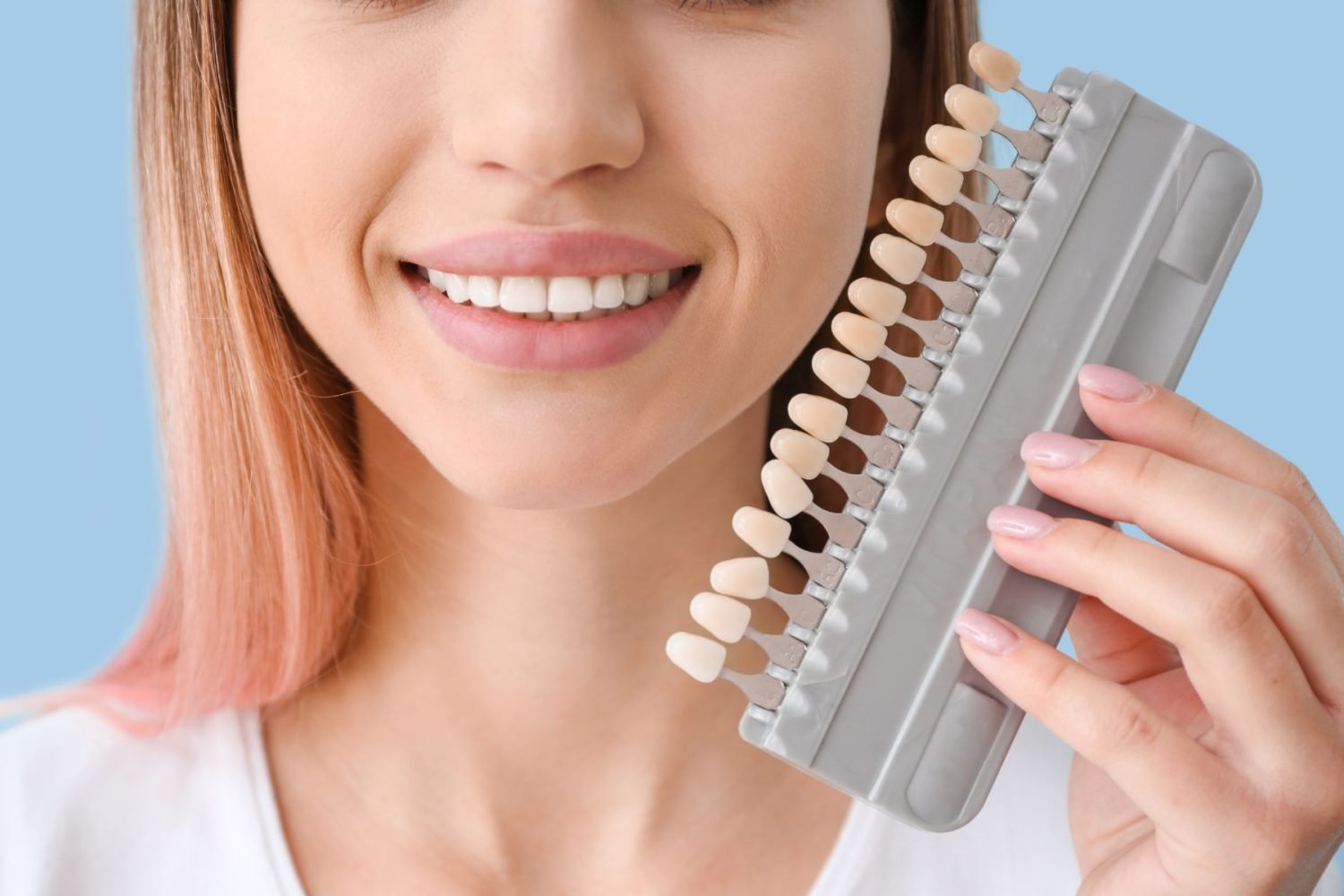
What effects the durability of veneers?
- Lifestyle habits like teeth grinding or clenching
- Smoking and eating hard, crunchy foods (diet)
- General wear and tear from chewing and biting
- The type of veneer you choose (e.g. composite)
- The underlying health of your natural teeth
- Gum disease and gum recession
Affordable dental finance on all treatments over £995.00